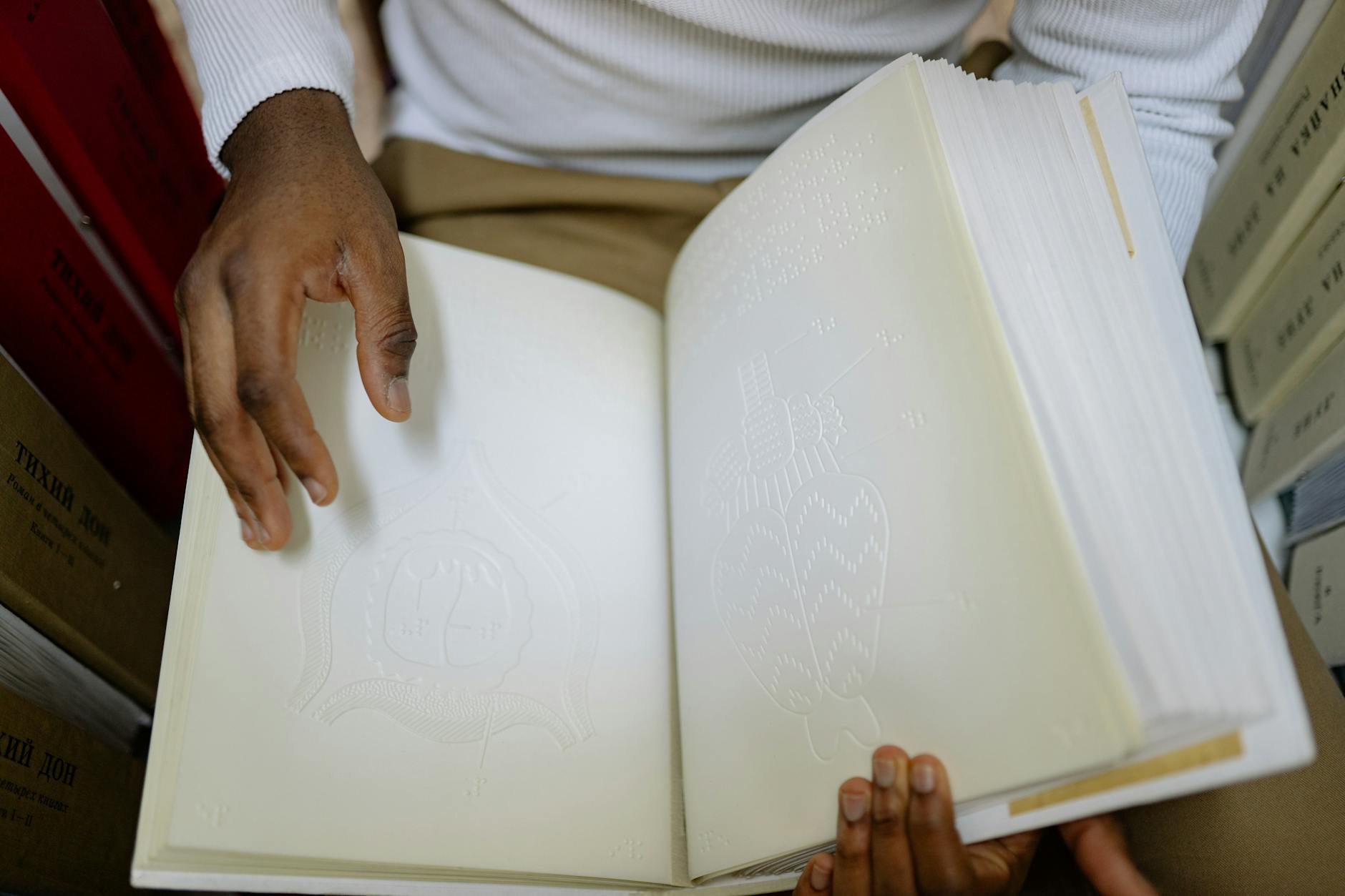
I own an e-reader. I use it — for travel, for books I’m not sure I’ll finish, for the middle of the night when I don’t want to turn on a lamp. I’m not making a case against them. But the books I remember, the ones that changed how I think or moved something in me, are almost all physical objects I can point to on a shelf.
I’ve thought about why this is.
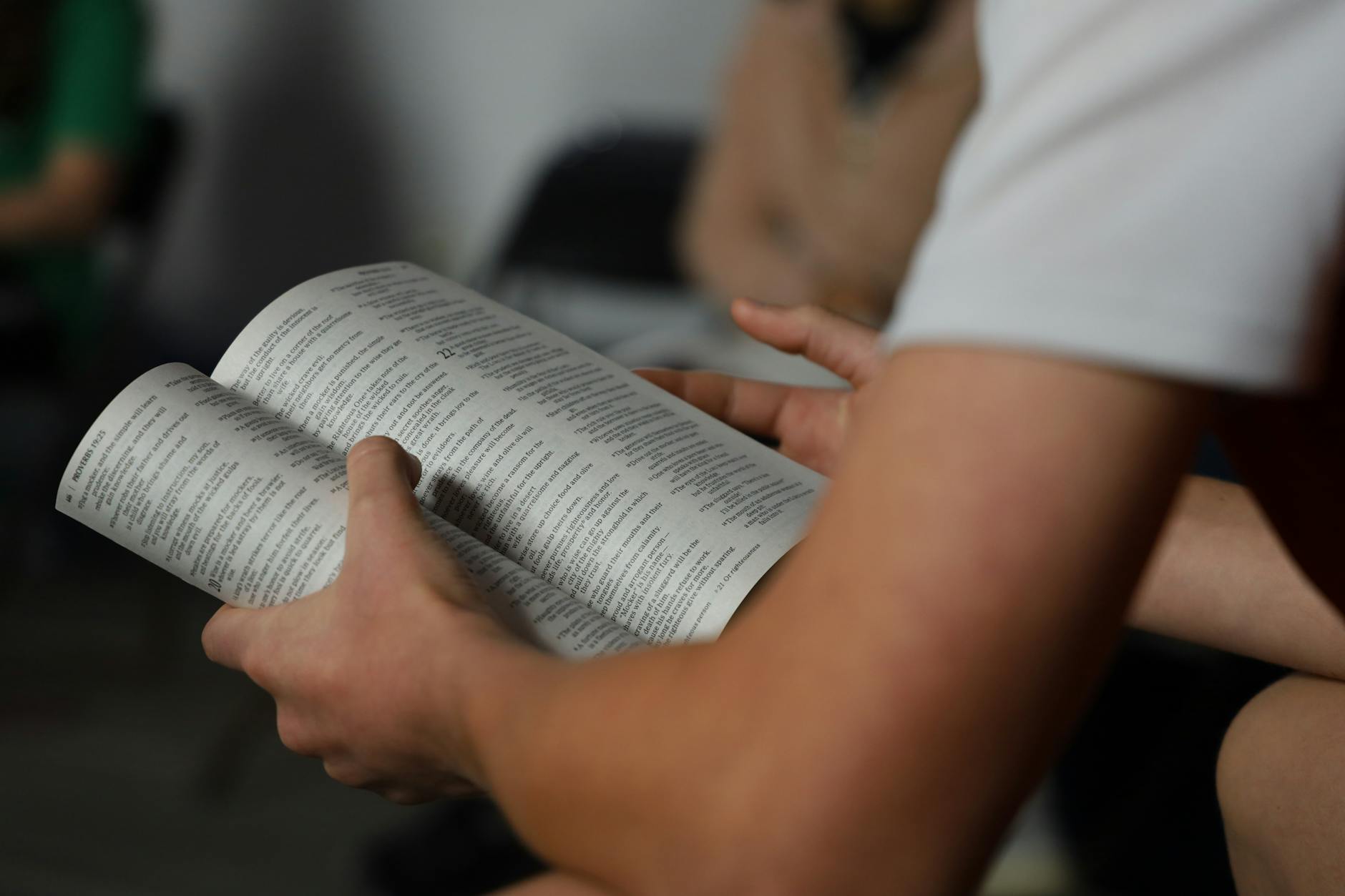
Part of it is marginal notes. I’m a margin-writer. Not in library books, not in borrowed books, but in books I own, I underline and argue and draw arrows and write “YES” and “no but—” in the margins. This practice creates a record of a conversation I had with the book, and when I return to it years later, the conversation continues. The e-reader I use supports highlights, technically, but the friction of making them is slightly higher, and so I make them slightly less often, and the record is thinner.
Part of it is the physical memory of reading. I tend to remember where in a book a passage appears — not the page number, but the rough location, the weight of pages on either side. This spatial memory is useful for rereading and for finding things. The e-reader has a search function, which is better in theory. It doesn’t engage the same memory.
Part of it is simply the object. A book that has been read many times looks like it has been read many times. It has a history visible in its spine and its margins and the slight waviness of pages that got damp once. This is information I find meaningful in a way I can’t entirely explain.
None of this is an argument. People who prefer e-readers have good reasons. The accessibility of carrying a thousand books on a device the size of a paperback is genuinely remarkable. I use one.
I just notice that when I want to give someone a book — really give it to them, as an act of saying this mattered to me and I want it to matter to you — I walk to the shelf.