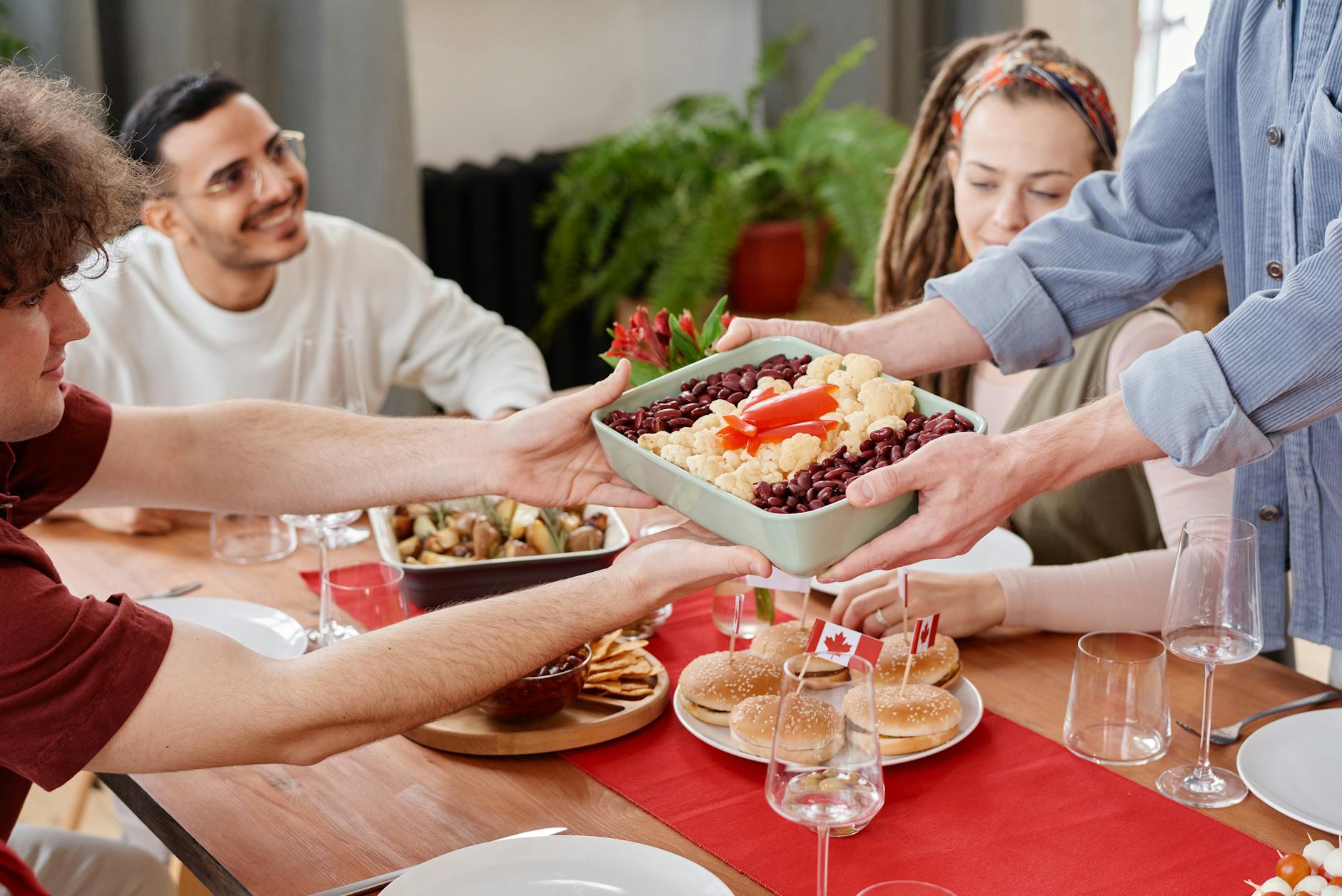
No institution in American life is more theologically rich, more fraught with social complexity, or more dependent on the green bean casserole than the church potluck.
I say this as someone who has attended, officiated at, and occasionally survived more church potlucks than I care to count. The potluck is not merely a meal. It is a social document. A theological statement. A test of character that most denominational processes have not adequately prepared us for.

The Dish You Bring
What you bring to a church potluck reveals more about you than you intend. The person who brings a store-bought rotisserie chicken is making a statement about their relationship to the community. The statement is: I am here, I came, I brought protein, please appreciate me anyway. This is an honorable position.
The person who brings a homemade dish that requires them to explain what it is — at length, to multiple people — is making a different statement. This person has confused a shared meal with a TED talk.
The person who brings a salad that consists primarily of kale and hope is testing the community’s commitment to inclusion.
The Casserole Theology
The green bean casserole occupies a unique theological position: it is ubiquitous, it is humble, it asks nothing of you, and it will be there when everything else runs out. If I were forced to name the potluck dish most theologically representative of grace, it would be the green bean casserole.
Nobody is excited about it. Nobody talks about it. It just quietly feeds people, meal after meal, decade after decade, without credit or ceremony.
The Sign-Up Sheet
The sign-up sheet is where the theology gets complicated. Columns: Main Dish, Side Dish, Dessert. What the sheet reveals is this: everyone wants to bring dessert. Nobody wants to bring a main dish. Side dishes are for people who couldn’t decide.
The person who signs up for main dish without being asked is a servant leader. Nominate them for something immediately.
The potluck, at its best, is an act of trust. You eat food made by people you may not know well, in conditions you cannot verify, seasoned with intentions you have to assume are good. Which is, when you think about it, a reasonable description of community itself.
Pass the casserole.