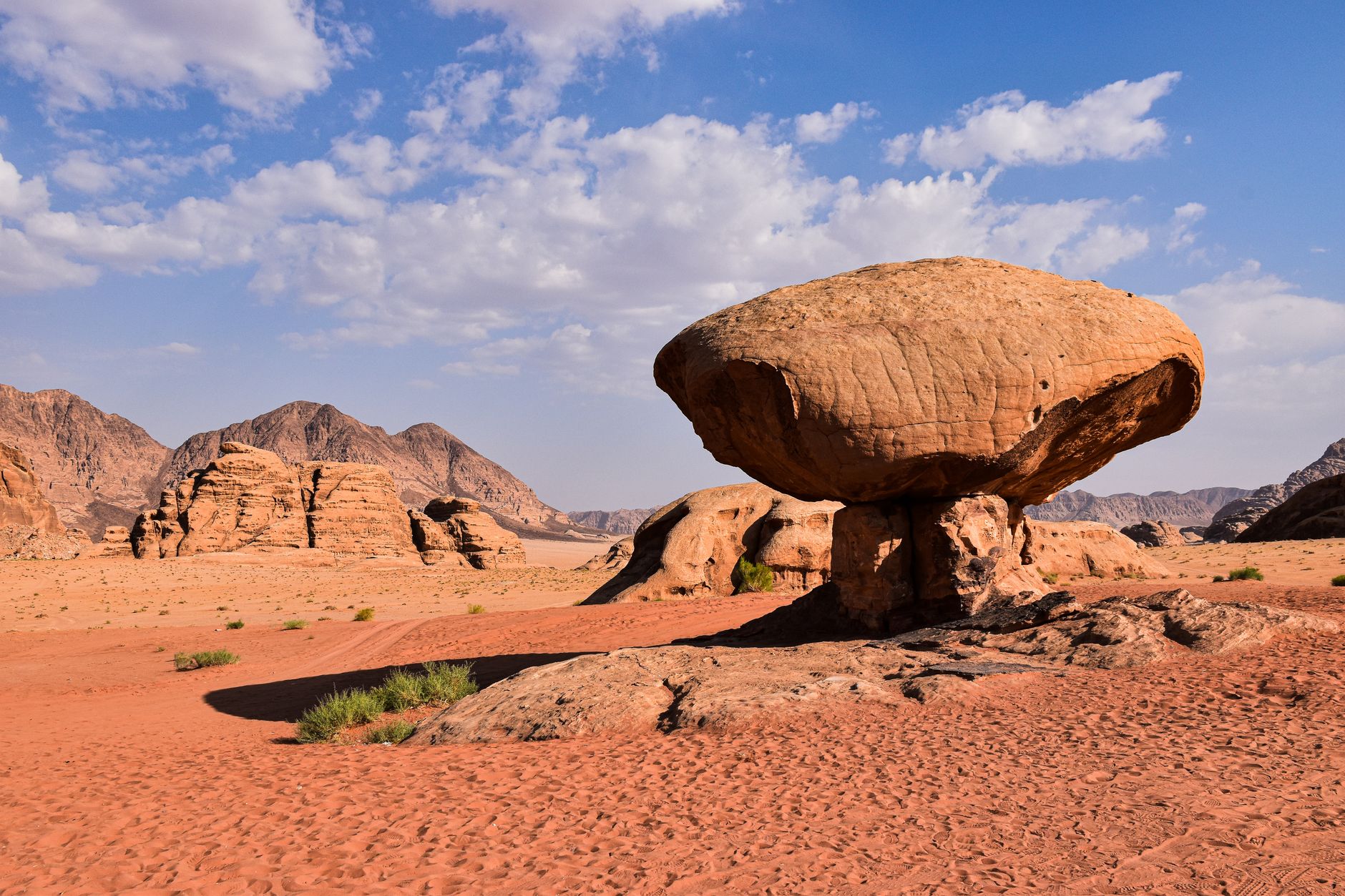
There is a verse tucked inside the thirty-second chapter of Isaiah that I have returned to more times than I can count, often without fully knowing why. It reads: “Each one will be like a hiding place from the wind, a shelter from the storm, like streams of water in a dry place, like the shade of a great rock in a weary land.” (Isaiah 32:2, ESV)
It is a strange kind of promise. Isaiah is describing leaders — just rulers, in contrast to the fools and knaves he has been cataloguing in the chapters before. But the image he reaches for is not a sword or a throne or even a lamp. It is shade. A rock. Something massive and still that happens, by virtue of what it is, to give relief to whatever stands near it.
I have been sitting with that lately.
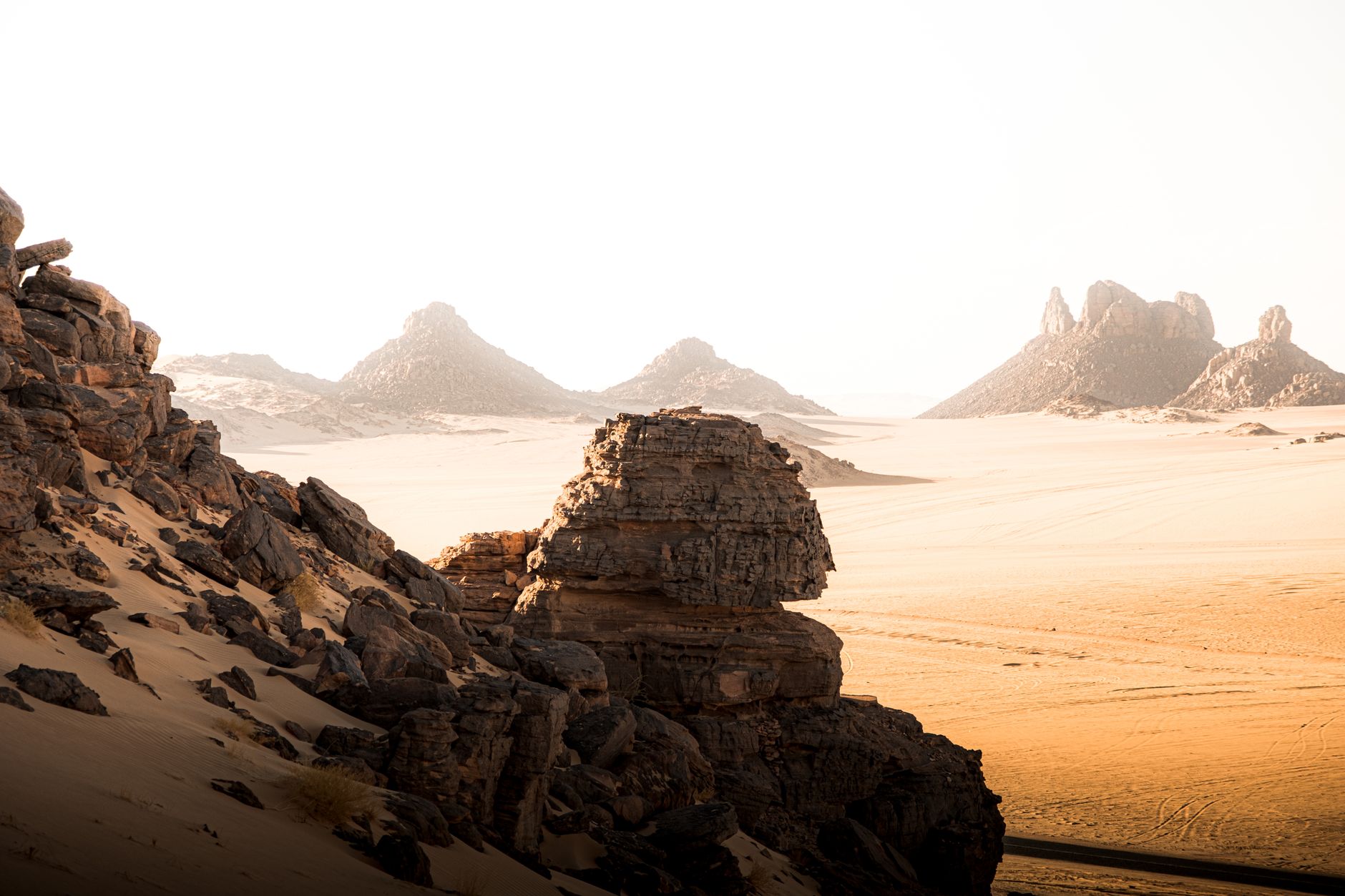
I grew up in the Carolina piedmont, where summer is not a season so much as a sustained argument. You learn early to track the movement of shadows. A tree line at the edge of a parking lot. The lee side of a building at noon. Shade is not comfort as luxury — it is comfort as survival. You do not take it for granted when the heat is serious.
Isaiah seems to know this. He writes weary land, not merely hot land or dry land. Weariness is different from thirst. You can quench thirst. Weariness lives deeper, in the joints and the spirit both. And what he promises — what God seems to be promising through him — is not escape from the weary land but the presence of something solid enough to rest against while you remain in it.
I think about the people I have known who were that for others. Not remarkable for what they said or accomplished, exactly, but for what they were. Steady. Dense with quiet faith. You could stand near them and feel the temperature drop two degrees.
Not everyone is called to be a stream in a dry place. But perhaps more of us are called to be the rock — present, rooted, unhurried — than we realize.
The weary land does not go away in this vision. Isaiah is not offering a map out of it. What he is offering is shade within it, and shelter, and the radical suggestion that faithfulness — in a leader, in a life — might be most visible not in its brightness but in the relief it quietly casts on the ground beside it.
I find that both humbling and strangely freeing. Some days the most faithful thing I can do is simply not move.