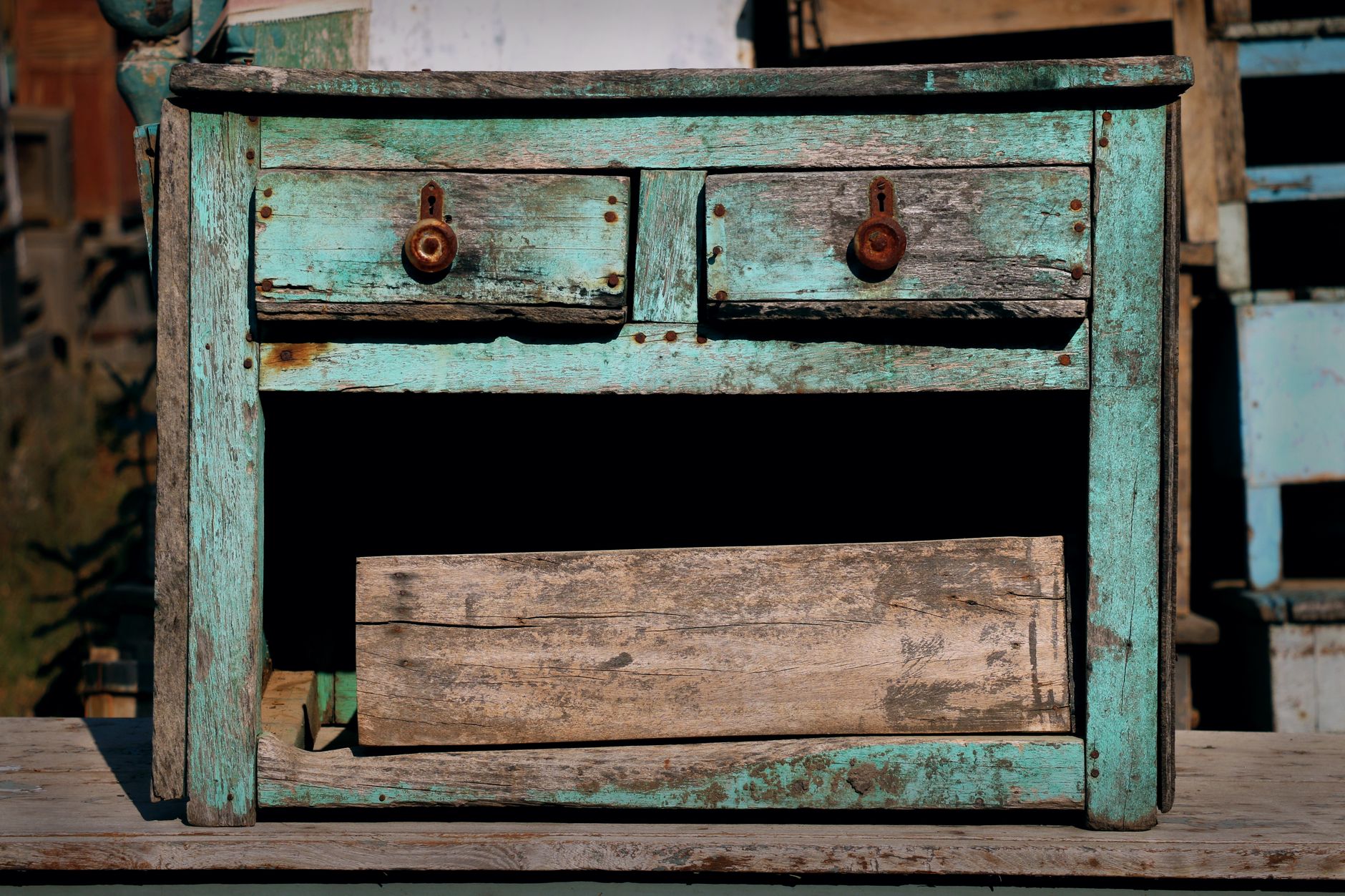
Every kitchen has one. You know the drawer I mean — the one that requires a particular angle, a slight lift on the right side, a firm but not aggressive push, and then a little shimmy at the end. Get any part of the sequence wrong and it bounces back at you, half-open, almost mocking.
Mine is the second drawer down on the left. It holds the spatulas, the tongs, the things you need in a hurry. Which is, of course, exactly where a difficult drawer should not be.
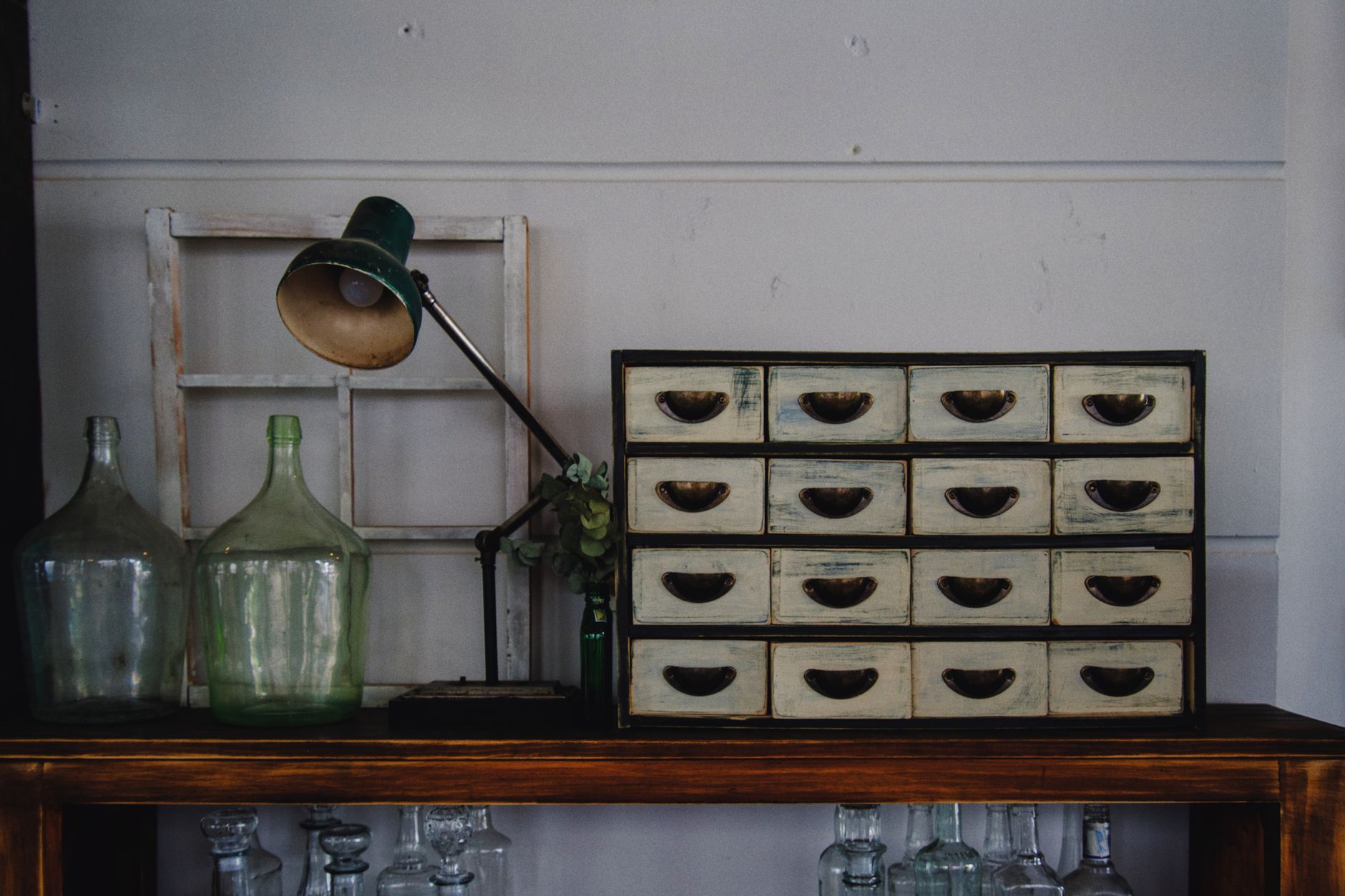
I’ve lived with this drawer for going on six years now. I keep meaning to fix it — the track is bent somewhere in the back, I think, or the runner has warped from years of steam off the stovetop. It would probably take twenty minutes and a YouTube tutorial. I have done neither.
What I have done is learned the drawer. I know its rhythm now the way you know a tricky gate latch or a car door that needs a little extra pull. My hands have memorized the sequence without my brain having to manage it anymore. I reach, I lift, I shimmy. It opens. I move on.
There is something in that — something I find oddly satisfying, though I couldn’t have told you why until recently.
I think it has to do with accommodation. Not the resignation kind, where you’ve simply given up, but the quiet, practical kind — the kind that says I know this thing, and I have made a small peace with it. It’s different from fixing a problem. It’s more like understanding one.
Most of life is not going to be adjusted to suit us. The people we love come with their own bent tracks and warped runners. So do the institutions we serve and the bodies we inhabit. We can spend our energy on the shimmy, or we can spend it on frustration. Both get the drawer open. Only one leaves you calm enough to cook.
I’ll probably fix it eventually. Or I won’t. But I’ll keep reaching for it a dozen times a day, and my hands will keep knowing what to do, and that quiet competence — earned in the most ordinary way — feels like something worth holding onto.