
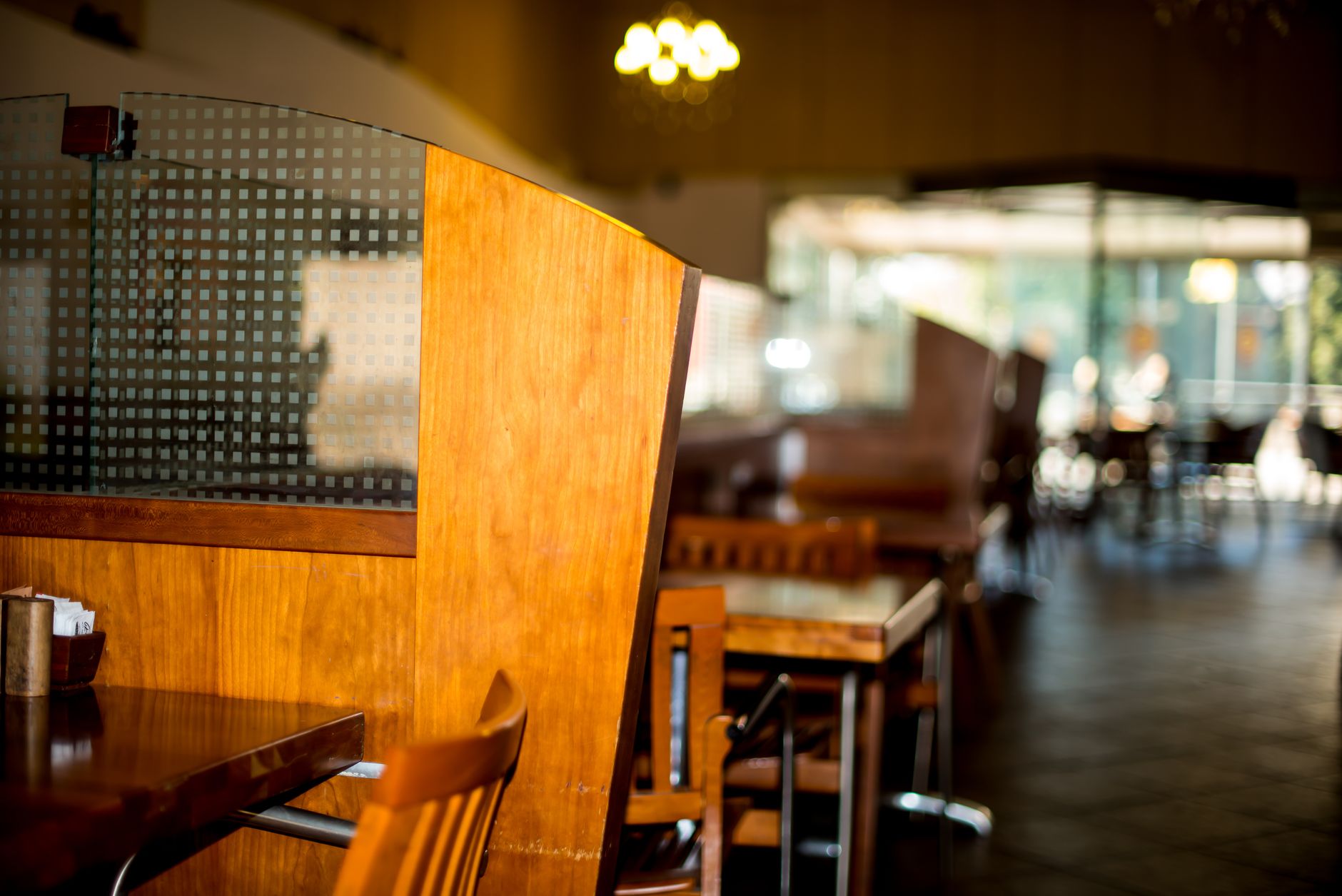
There’s a particular chair in the meeting room at our church — the one at the head of the long folding table — that I avoided for the first couple of years I was here. Not consciously, not with any stated principle behind it. I’d just come in, scan the room, and find somewhere in the middle. Safer there, somehow. Less exposed.
I told myself I was being collaborative. Approachable. And maybe I was, partly. But if I’m honest, I was also afraid of what that chair meant — that if I sat there, I’d be expected to know things I didn’t know yet.
Somewhere along the way, I picked up the idea that leadership and certainty were the same thing. That the person at the front of the room had the answers, or at least the confidence to simulate having them. I watched leaders when I was younger, and what I noticed most was how settled they seemed. How little they appeared to hesitate. I didn’t understand then that some of what I was reading as confidence was performance, and that behind a few of those calm faces was someone who had just gotten better at hiding the trembling.
The first time I sat in that chair on purpose — not because no one else came, but because I chose to — I was running a meeting about a building repair that had ballooned in cost and complexity and was touching a nerve in the congregation. I didn’t have a solution. I had a folder of estimates and a lot of people who were worried. And I remember thinking, right before I pulled that chair out: you don’t have to have the answer. You have to hold the room.
That small internal shift felt, at the time, like nothing. Looking back, I think it changed how I understood the whole enterprise of leading.
Holding the room isn’t glamorous work. It means staying calm when someone’s voice gets sharp. It means asking the question that slows things down when everyone wants to speed up. It means being willing to say I don’t know, but here’s how we’ll find out without letting that confession become an escape hatch from responsibility.
I’m still learning this. Some days I still reach for the chair in the middle.
But I think I’m beginning to understand that leadership isn’t about arriving at a place of certainty — it’s about learning to be present without requiring it. What that actually looks like in practice, day after day, in ordinary rooms with ordinary people and no clean resolution in sight — I’m not sure I could fully say.