
There is a detail in the third chapter of Exodus that I keep returning to, almost against my will. Moses is tending his father-in-law’s flock. It is ordinary work, the kind that fills your hands and empties your head. And then, off to the side of the mountain, something catches his eye: a bush on fire that refuses to burn up.
The text says he turned aside to look. That small phrase has been sitting with me all week.
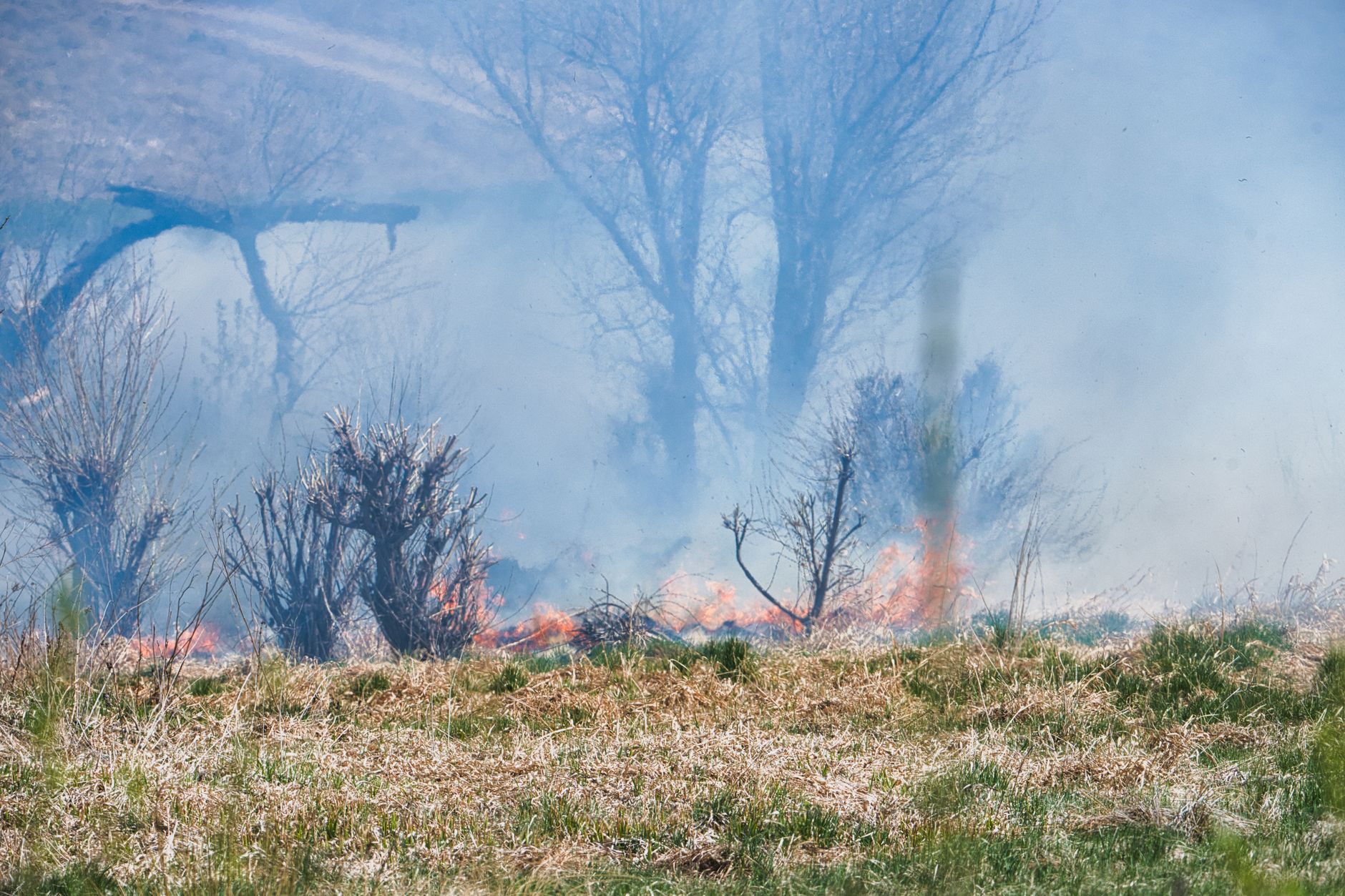
Moses did not have to turn. He could have noted the strangeness and walked on. A man with livestock to manage has real responsibilities. The sensible thing is to keep moving.
But he turned aside. And it was precisely in that turning — that willingness to let ordinary momentum be interrupted — that God spoke to him by name.
I find myself wondering how many burning bushes I have walked past without slowing down. Not because I am a bad person, but because I am a busy one. The schedule presses. The list is long. The flock needs tending. Interruption feels like inefficiency, and in a culture that rewards productivity, I have been trained to see detours as failures.
But Exodus 3 seems to suggest that sometimes the detour is the whole point.
What strikes me too is the nature of the fire itself. It burned and it burned, and nothing was consumed. That image has taken on a quiet theological weight for me. Whatever God was doing in that bush, it was not destructive. It was persistent. Enduring. A heat that transforms presence rather than erasing it.
I think of the things in my own life that have continued to burn — certain callings, certain griefs, certain longings — that refuse to turn to ash no matter how much I expect them to. Maybe not every fire that won’t go out is a problem to be solved. Maybe some of them are invitations.
God calls Moses by name twice in verse four. Moses, Moses. The repetition feels tender, almost urgent, like someone touching your shoulder when you’re distracted.
I don’t know what you’re walking past today. But I keep thinking: turn aside. Look. Something may be burning that was never meant to consume you — only to call you closer.