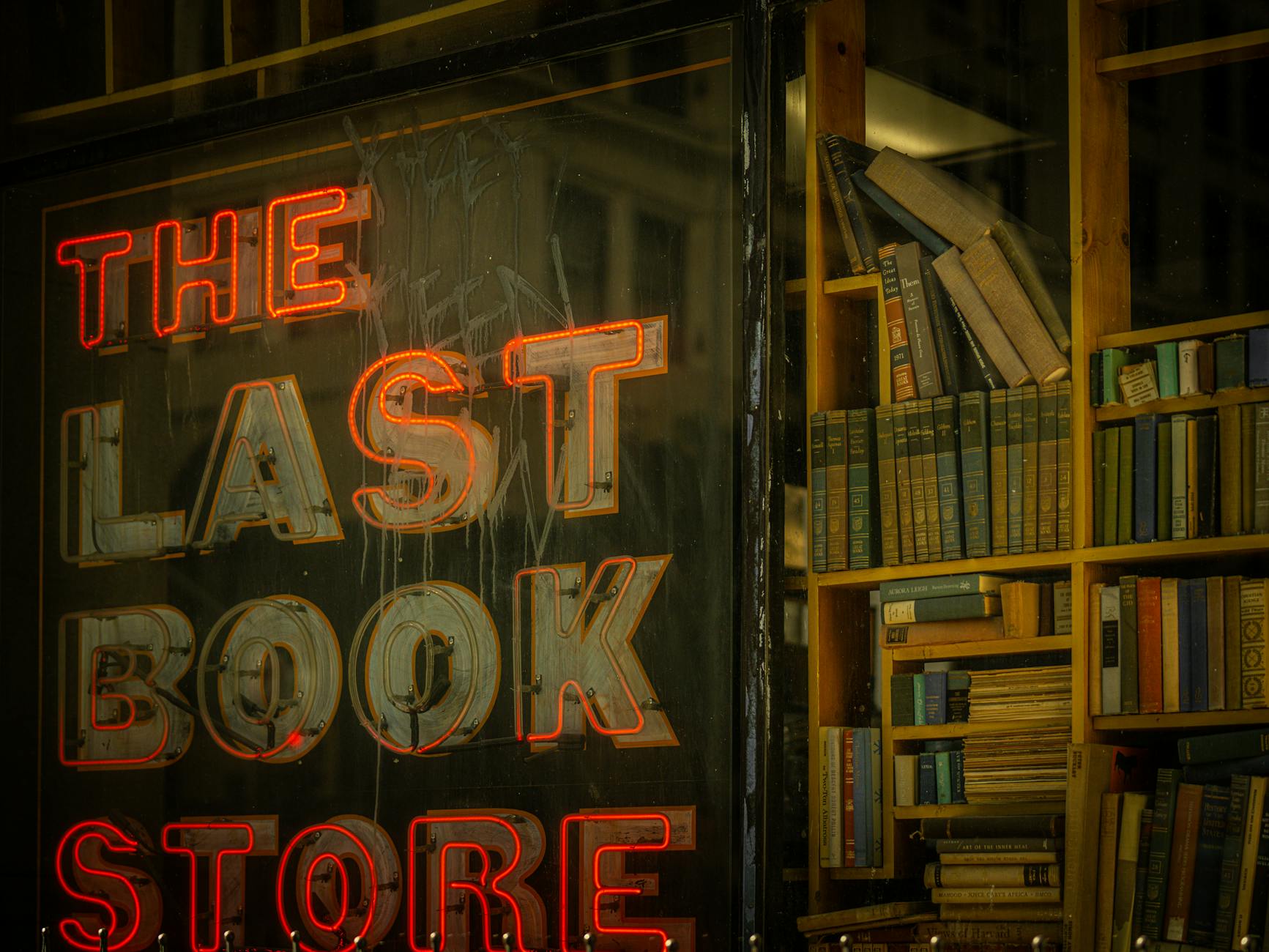
There is a particular kind of afternoon that can only happen in a second-hand bookshop, and I worry we are letting it become extinct.
I mean the afternoon that begins with the intention of browsing for twenty minutes and ends, two hours later, with you sitting cross-legged on the floor between shelves, reading the first chapter of a book you’d never heard of, while a cat you’ve just met sits on the shelf above and judges your posture.
This afternoon cannot be replicated online. It is a creature of the physical world, dependent on things that algorithms cannot provide: the smell of old paper, the accidental adjacency of unrelated books, the particular pleasure of finding something you didn’t know you were looking for.
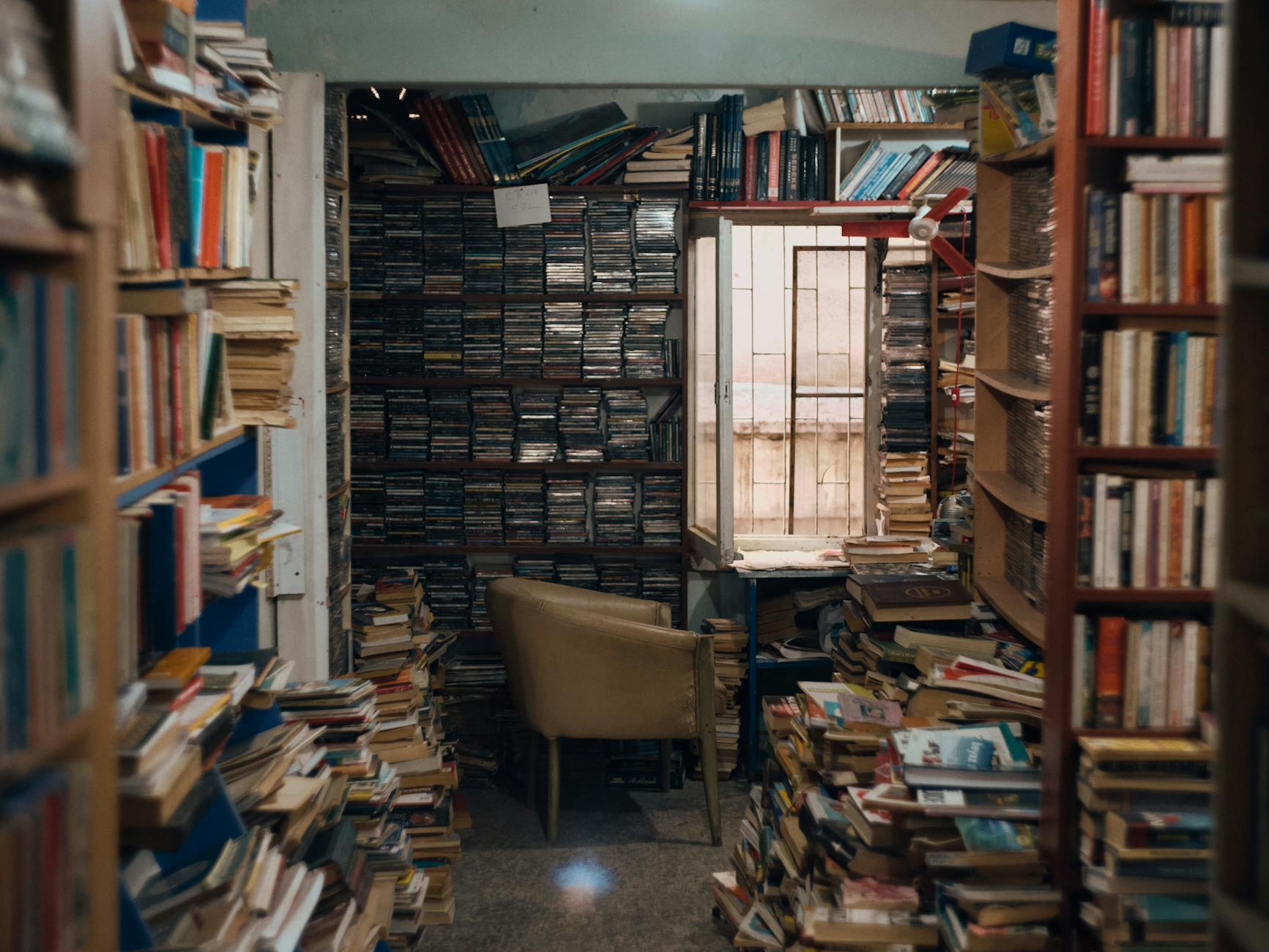
What I love about second-hand bookshops specifically — as opposed to new bookshops, which I also love — is the democracy of the shelves. A Nobel laureate sits next to a forgotten thriller from 1987. A book someone underlined and argued with for fifty years is indistinguishable from one that was read once on a plane and immediately forgotten. The shelves make no promises about importance.
There’s also the marginalia. I buy second-hand books partly for the evidence of previous readers — the underlines, the question marks, the occasional “NO” written in the margin with visible feeling. These notes create an unexpected intimacy. Someone sat with this passage and was moved enough to mark it. That fact changes how I read what follows.
The second-hand bookshop is, I think, one of the last places where you can be genuinely surprised by what you find — where the serendipity is structural rather than algorithmic. A recommendation engine is trying to give you what you’ll probably like. The used bookshop shelf has no such agenda. It simply offers what happened to arrive.
There is one nearby that I visit with no list and no budget and no plan. I recommend this approach highly.
Go when you can. Buy something you didn’t expect to want. Read the marginalia.