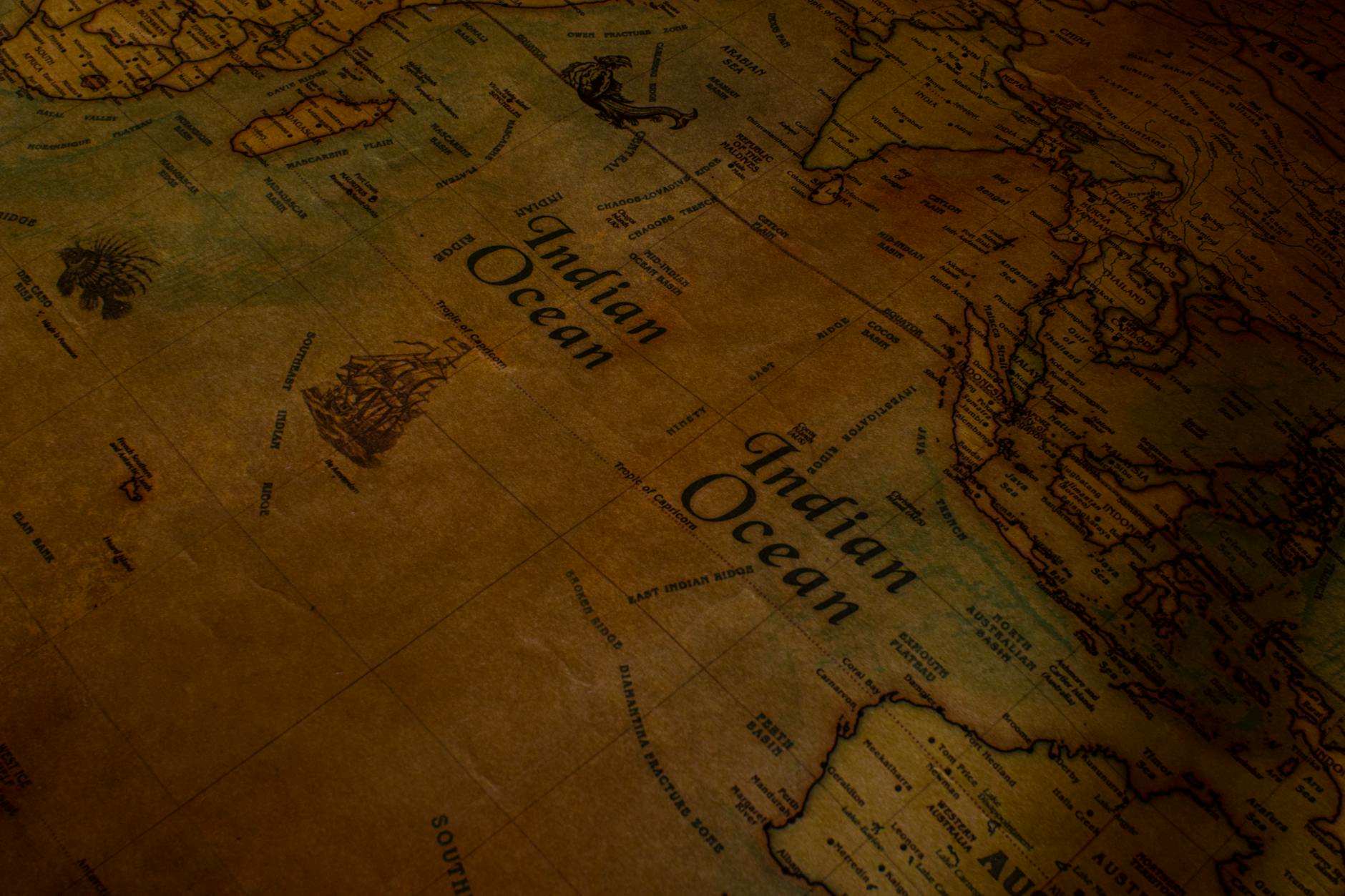
Medieval cartographers wrote here be dragons at the edges of their known world. They didn’t mean it literally — or maybe they did, in the way that people mean things when they’re confronted with the genuinely unknown. The phrase was a placeholder for honest uncertainty. Beyond this point, we don’t know what you’ll find. Proceed accordingly.
I’ve been thinking about this for weeks now, ever since I found myself at a kind of edge.
Not a dramatic one. No life crisis, no sudden revelation. Just the quiet, accumulating sense that I’ve been operating from a map that no longer matches the territory. That some of the landmarks I’ve been navigating by have shifted, or were never quite where I thought they were. And that the honest response — the cartographically honest response — is to write here be dragons and keep going anyway.
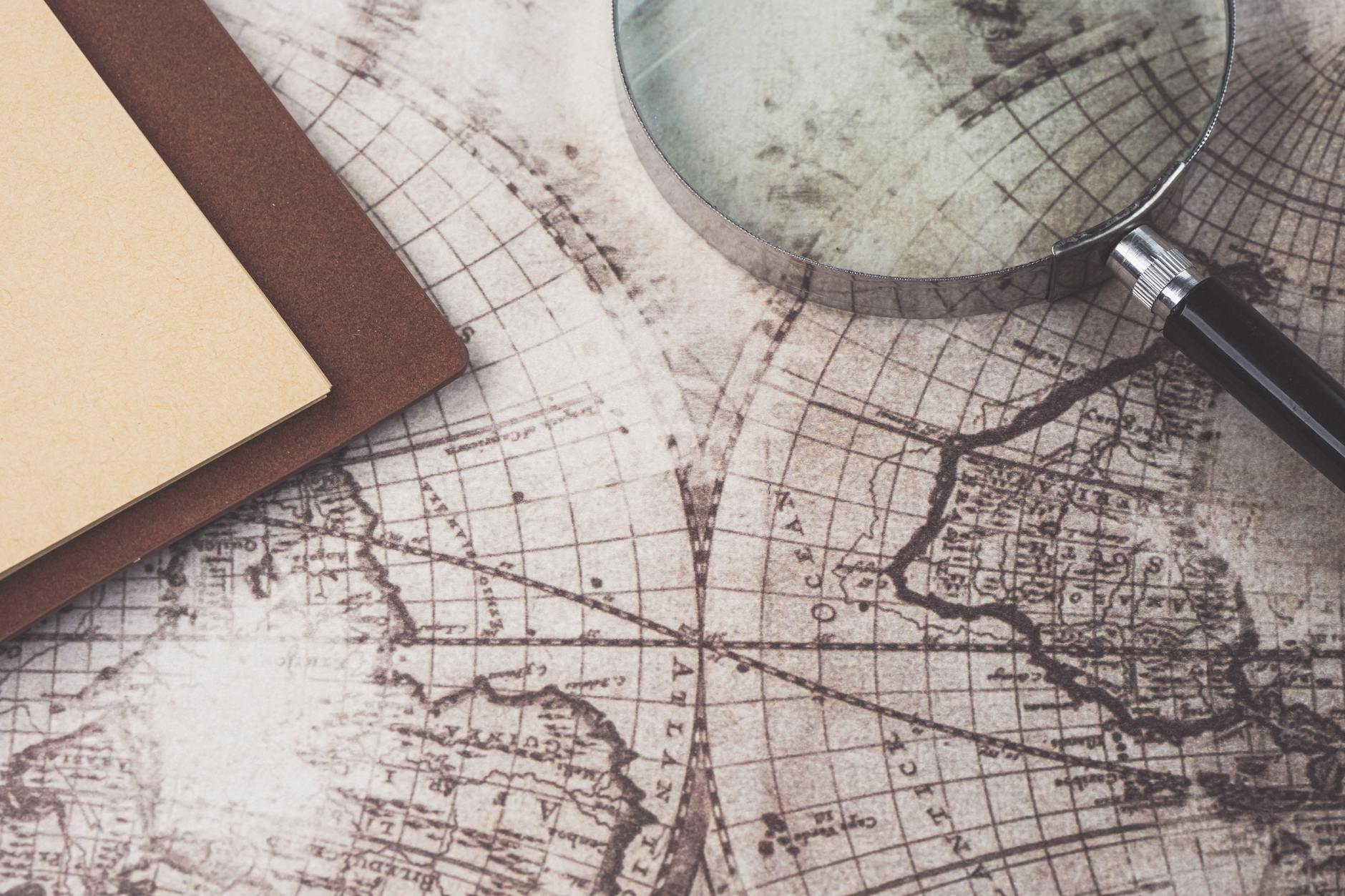
There’s a particular kind of courage that doesn’t get enough attention, and it’s the courage of not knowing. Not the courage of the soldier or the surgeon or the person who throws themselves in front of something terrible. Those are real. But there’s also the courage of the person who sits with a question long enough to let it become a question instead of forcing it into an answer.
We are, as a species, profoundly uncomfortable with unanswered questions. We fill them with noise, with certainty, with the confident assertions of people who have decided that ambiguity is a problem to be solved rather than a condition to be inhabited. The internet has made this worse, I think. Everything is so immediately declarable. You can have an opinion about a thing before you’ve even finished reading about it.
But the old maps knew something. They knew that the edge of knowledge isn’t a failure — it’s a frontier. And frontiers deserve more than a shrug. They deserve a note. They deserve here be dragons, which is to say: I know that I don’t know, and I am telling you so honestly, because that honesty matters more than a false completeness.
I have no tidy conclusion to offer here. That would rather defeat the point.
What I have instead is this: the practice of writing your own here be dragons — of locating the edges of what you know and naming them openly — is one of the most useful intellectual habits I’ve encountered. It keeps you from mistaking the map for the territory. It makes you a more trustworthy guide for other people. And it leaves room for the world to be larger and stranger than you currently imagine.
Which, in my experience, it always is.