Gratitude is easy for the extraordinary — the unexpected kindness, the crisis averted, the diagnosis that came back clear. These occasions arrive already labeled. The gratitude rises naturally and we know what to do with it.
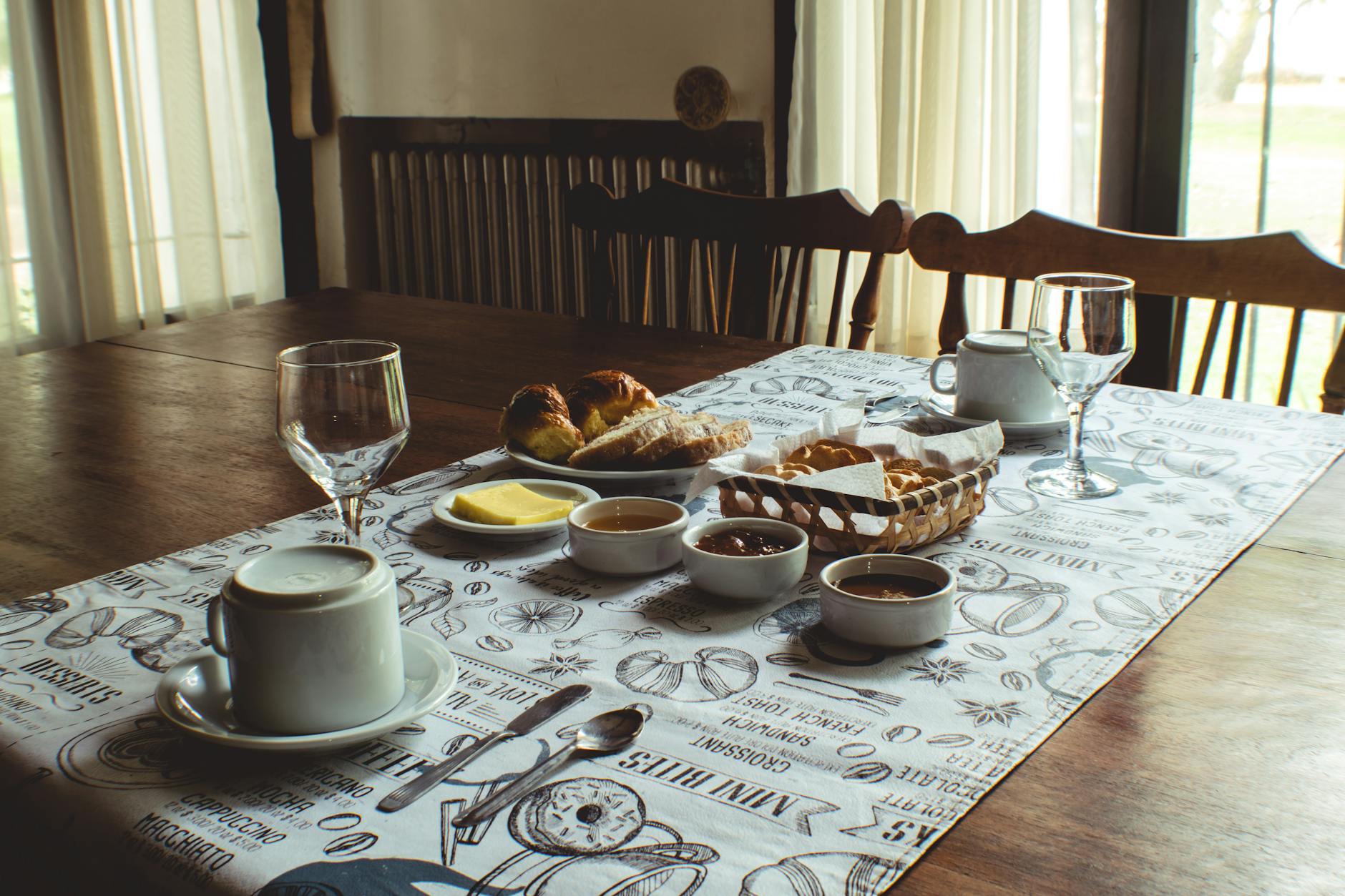
The harder practice is noticing what’s worth being grateful for in an ordinary week. The week with no crisis and no particular triumph. The week of commutes and groceries and unremarkable meals. The week that would be described, if anyone asked, as “fine.”
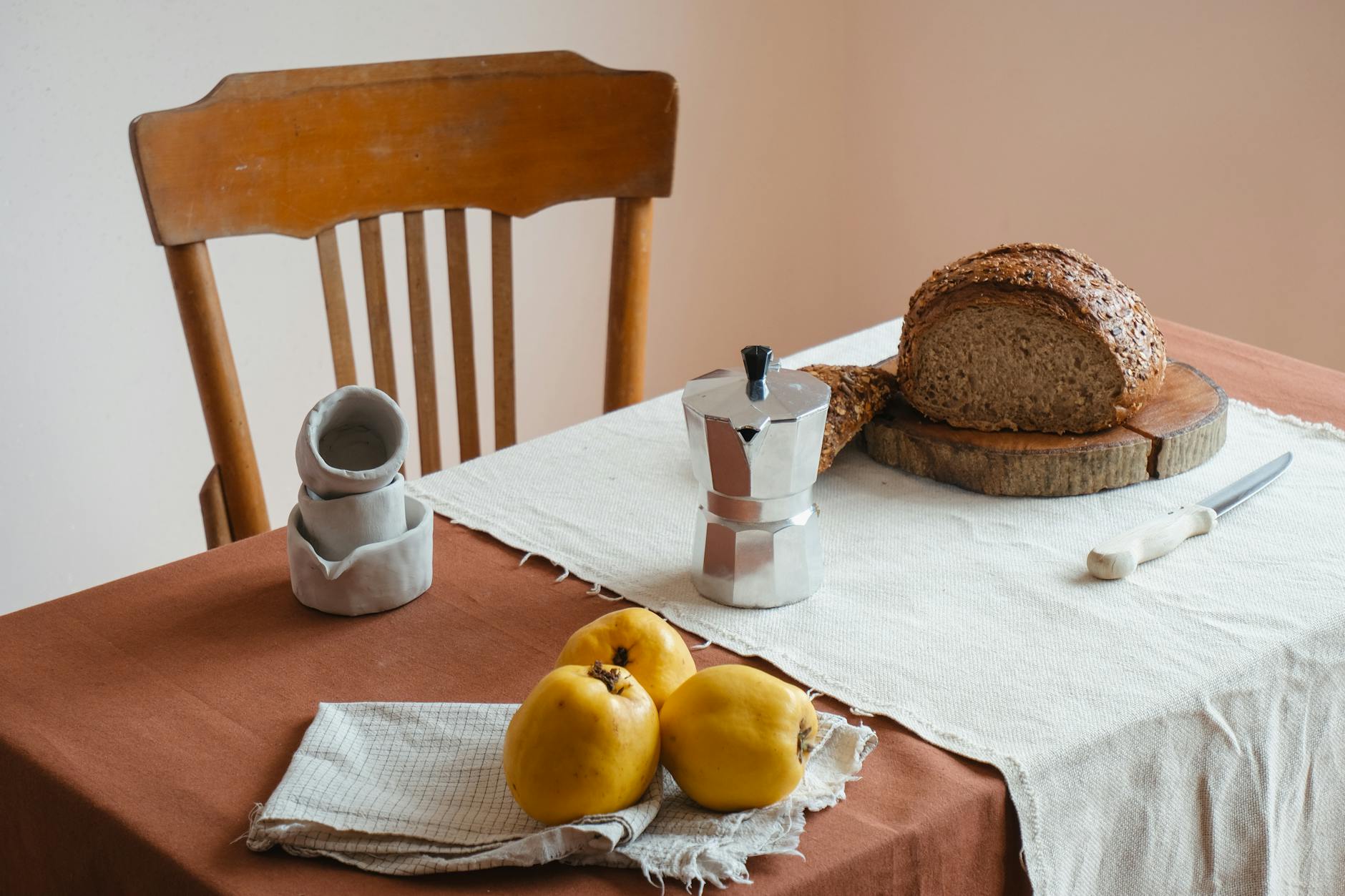
I’ve been paying attention to this for long enough to notice that the weeks I describe as “fine” are often, on examination, full of things I have simply stopped seeing. The same view from the same window, which was remarkable the first time I looked at it. The coffee that tastes the same as yesterday’s coffee, which is good. The fact that the people I love are where I expect them to be.
These are not small things. They are things that could be otherwise, and sometimes are, and then we know their value clearly. The practice of gratitude is partly the practice of knowing their value before that clarity is forced on us.
I’m wary of gratitude that becomes a way of suppressing legitimate difficulty. Telling someone who is struggling that they should be grateful for what they have is often just a way of dismissing the struggle. Gratitude doesn’t require pretending the difficult things aren’t difficult.
What it does require is a kind of dual attention — the ability to hold the difficulty and the gift in the same view, without letting one erase the other. This is harder than either pure complaint or pure contentment, but it’s closer to the actual texture of most lives.
What I find is that gratitude, practiced honestly, tends to make me more present. Not happier, exactly — the word is too simple. More here. More available to what is actually in front of me.
Which, on an ordinary Tuesday, is usually enough.