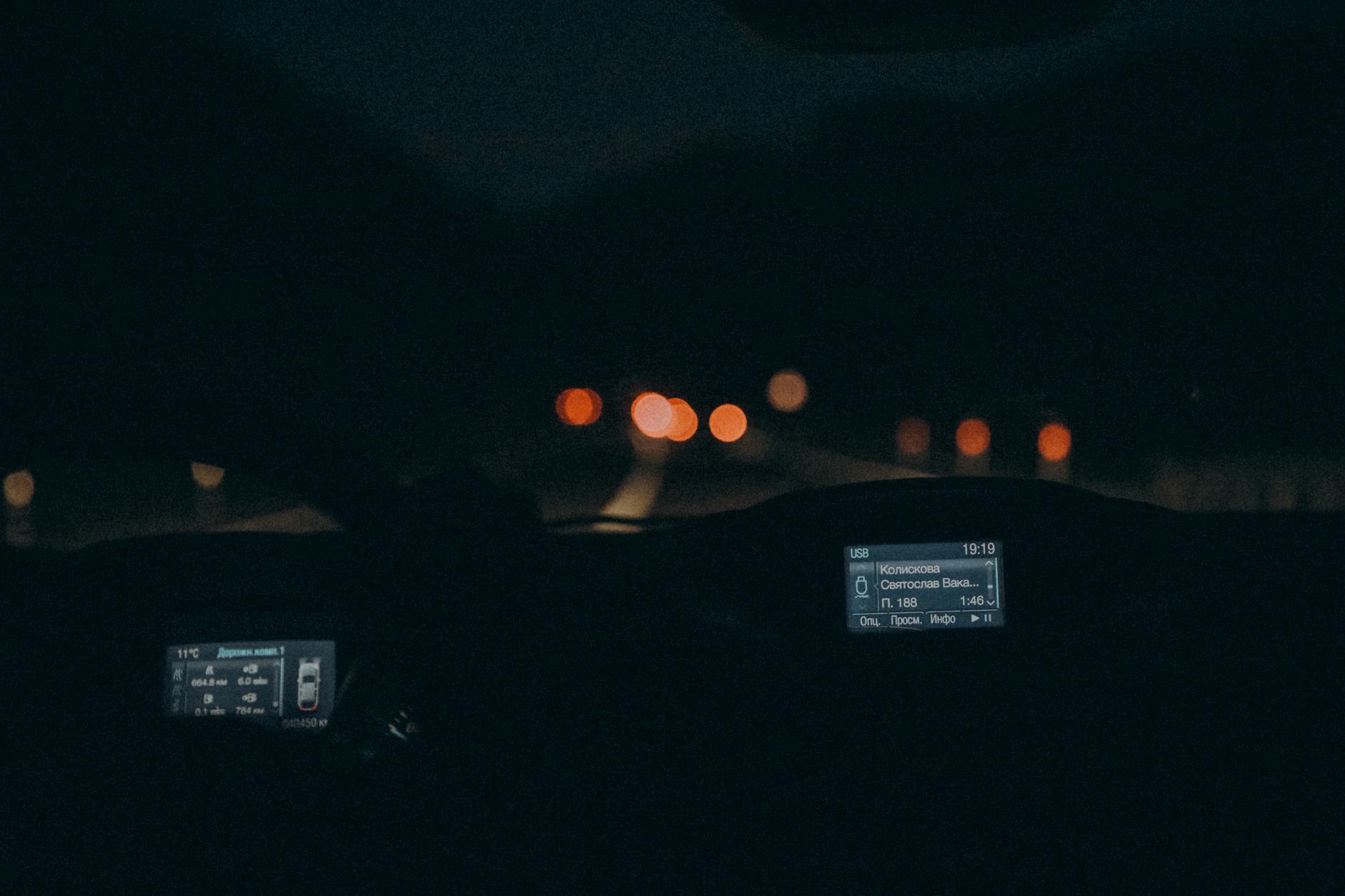
There is a particular kind of thinking that only seems to happen during long drives at night, and I have come to depend on it in a way I didn’t anticipate when I was younger.
I mean the drives where the highway is mostly empty and the headlights project a moving circle of visibility into the dark and the radio is on low and you are alone with the road and whatever your mind decides to do with the quiet. These conditions create, for me at least, a specific quality of thought — less guarded than the desk, less distracted than the walk, not quite like anything else.
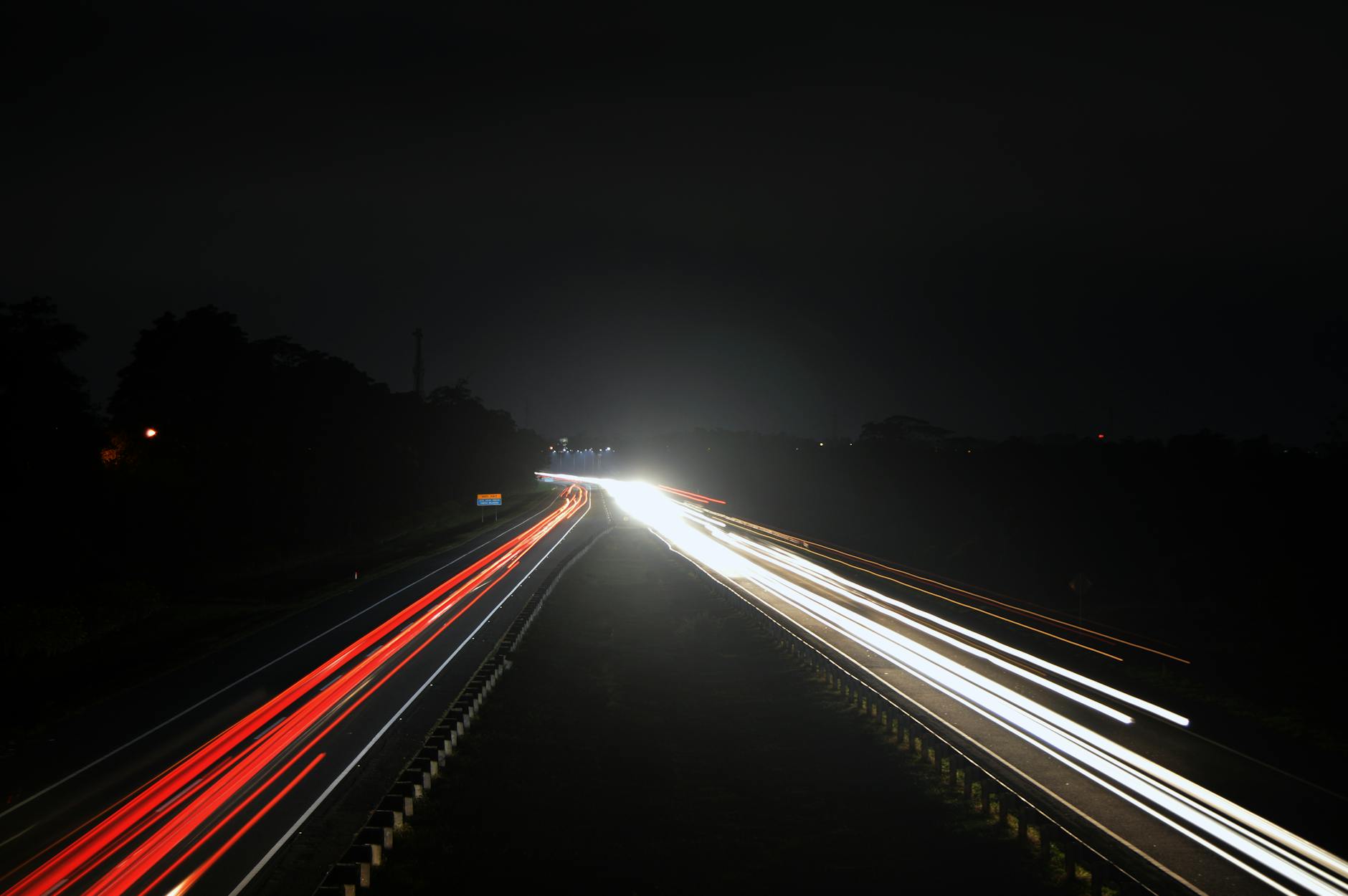
I think it has to do with the combination of motion and darkness. The body is occupied with driving — just occupied enough that the vigilant, planning, self-monitoring part of the mind has something to do. The rest of the mind is freed from the obligation to perform or produce. Ideas surface that have been waiting for exactly this level of attentiveness: present but not demanding.
Grief comes up on night drives. So does gratitude. So do the things I’ve been avoiding thinking about, which apparently see the dark highway as their opportunity.
Some of the conversations I’ve had with myself on long drives at night have been more useful than anything I could have arranged deliberately. I’ve made decisions. I’ve understood things. I’ve arrived somewhere with more clarity than I left with, which is the best outcome any drive can have.
I don’t know if this is specific to me or if it’s a more common experience. What I know is that I’m reluctant to fill these drives — that when I reach for the podcast or the audiobook, something tells me to leave the quiet a little longer.
It is possible to think of the drive only as a means of getting somewhere.
It is also possible to think of it as the somewhere.
I try to remember this when I’m impatient to arrive.