
There is a particular kind of silence that follows someone pointing out that you were wrong. Not the comfortable silence of a pause between sentences, but the loaded kind — the kind where you can feel your own face deciding what to do next.
I’ve been in that silence more times than I’d like to count. And I’ve handled it badly more often than I’ve handled it well.
Early in my ministry, an older woman in my congregation — sharp, plain-spoken, the kind of person who has no time for performance — stopped me after a Sunday service and told me, quite directly, that my sermon had missed the point. She wasn’t cruel about it. She wasn’t even particularly warm about it. She just said it, the way you’d tell someone their tire was low.
I thanked her. I went home. And then I spent the better part of an afternoon quietly constructing an internal argument for why she was wrong.
Of course, she wasn’t wrong. Not entirely. And somewhere beneath all my defensiveness, I knew it. But the knowing and the receiving are very different things, and I wasn’t yet skilled at the second one.
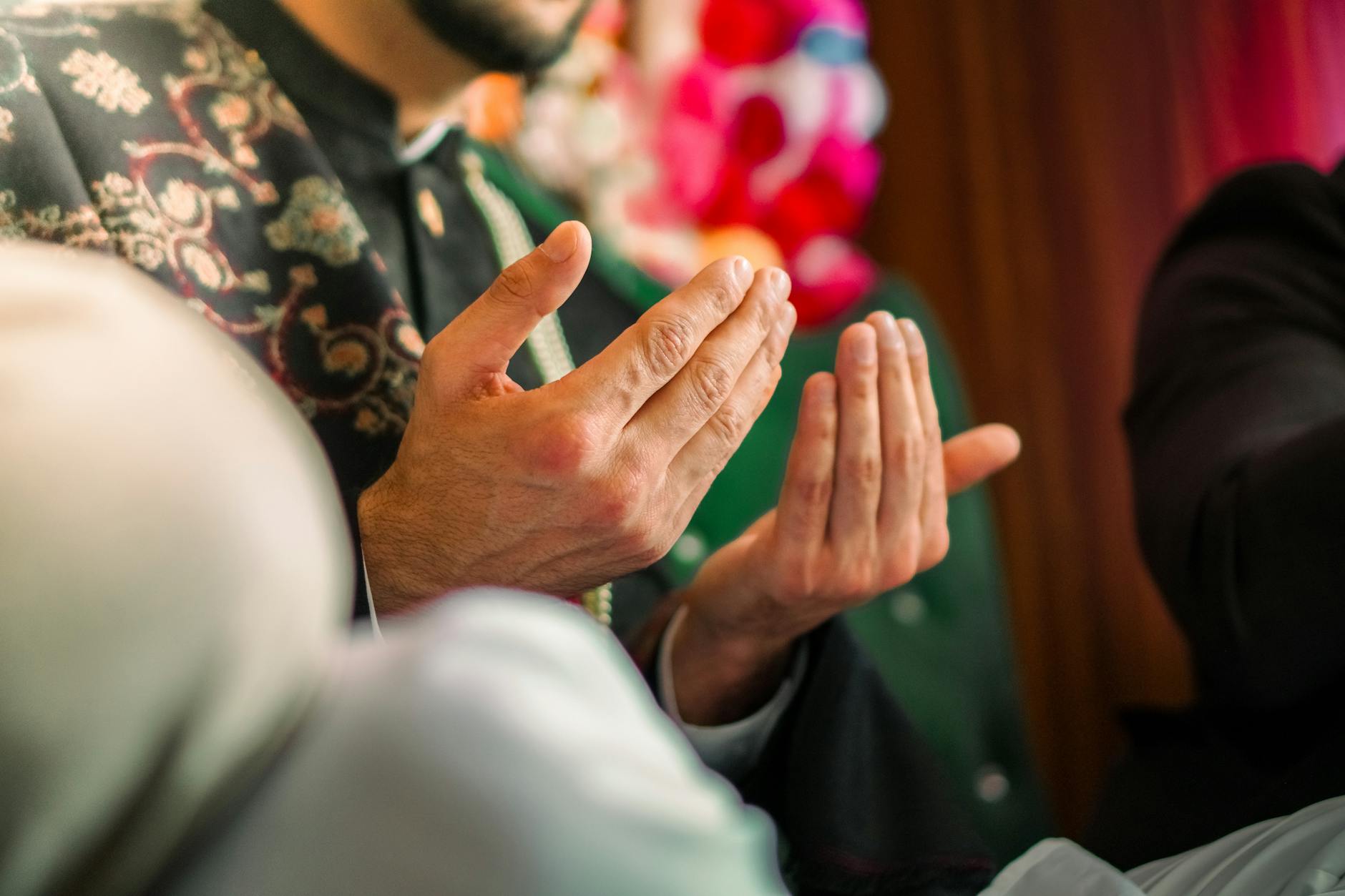
What I’ve come to believe — slowly, and mostly through failure — is that the ability to be corrected gracefully is one of the most undervalued skills in leadership. Not just tolerating correction, but actually opening a hand to receive it. Sitting with the discomfort long enough to ask whether the person pointing at your blind spot might be doing you a favor.
It requires a certain loosening of the grip. A willingness to let your self-image be a little less tidy than you’d prefer. Most of us are more attached to being competent than we are committed to becoming capable, and correction threatens the first while offering the second.
I also think it requires something that’s easy to name and hard to practice: genuine curiosity about where you went wrong, rather than an urgent need to explain it away.
That woman did more for my growth than a dozen affirmations would have. I should have thanked her more sincerely than I did. I should have asked her a follow-up question instead of retreating into my car and my quiet arguments.
If I could go back, I’d sit with her over coffee and ask her what she saw that I didn’t. I think she would have told me plainly.
And I think I’d have been better for it, if only I’d been ready to listen.