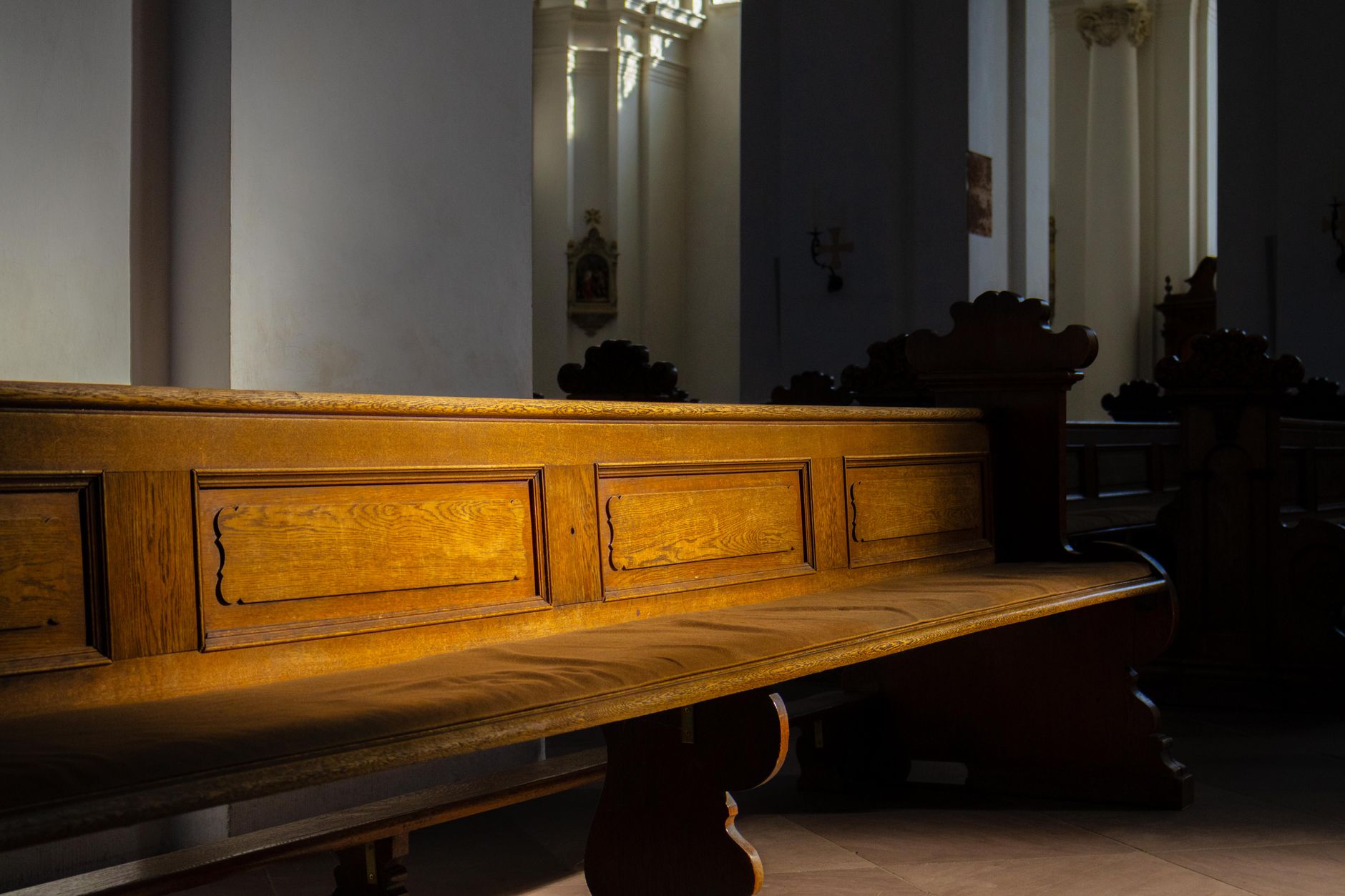
I have a habit of arriving early. Not compulsively, not with a stopwatch — but early enough that I’m usually the first one in the room, setting my coat down somewhere, looking around at the space before it fills. My wife finds this mildly amusing. She has learned to account for it, the way you account for weather. I’m not entirely sure when it started, or whether I chose it or it chose me.
What I’ve noticed, though, is that the early minutes in a room are their own kind of time. Before the meeting begins, before the service fills, before the party finds its footing — there’s a quality to that stillness that I’ve come to need without fully understanding why. The chairs are still tucked in. The coffee is either too hot or not yet made. Someone has left a bulletin on the wrong seat. The room hasn’t become what it’s about to become, and for a few minutes you get to stand inside that in-between space and just breathe.
I think it has something to do with permission. When you arrive early, no one is watching you arrive. There’s no entrance to make, no apology for being late, no searching for a familiar face. You’re simply there, quietly, ahead of the story. It strips away a certain kind of performance that I didn’t realize I was carrying until I noticed how much lighter I felt without it.
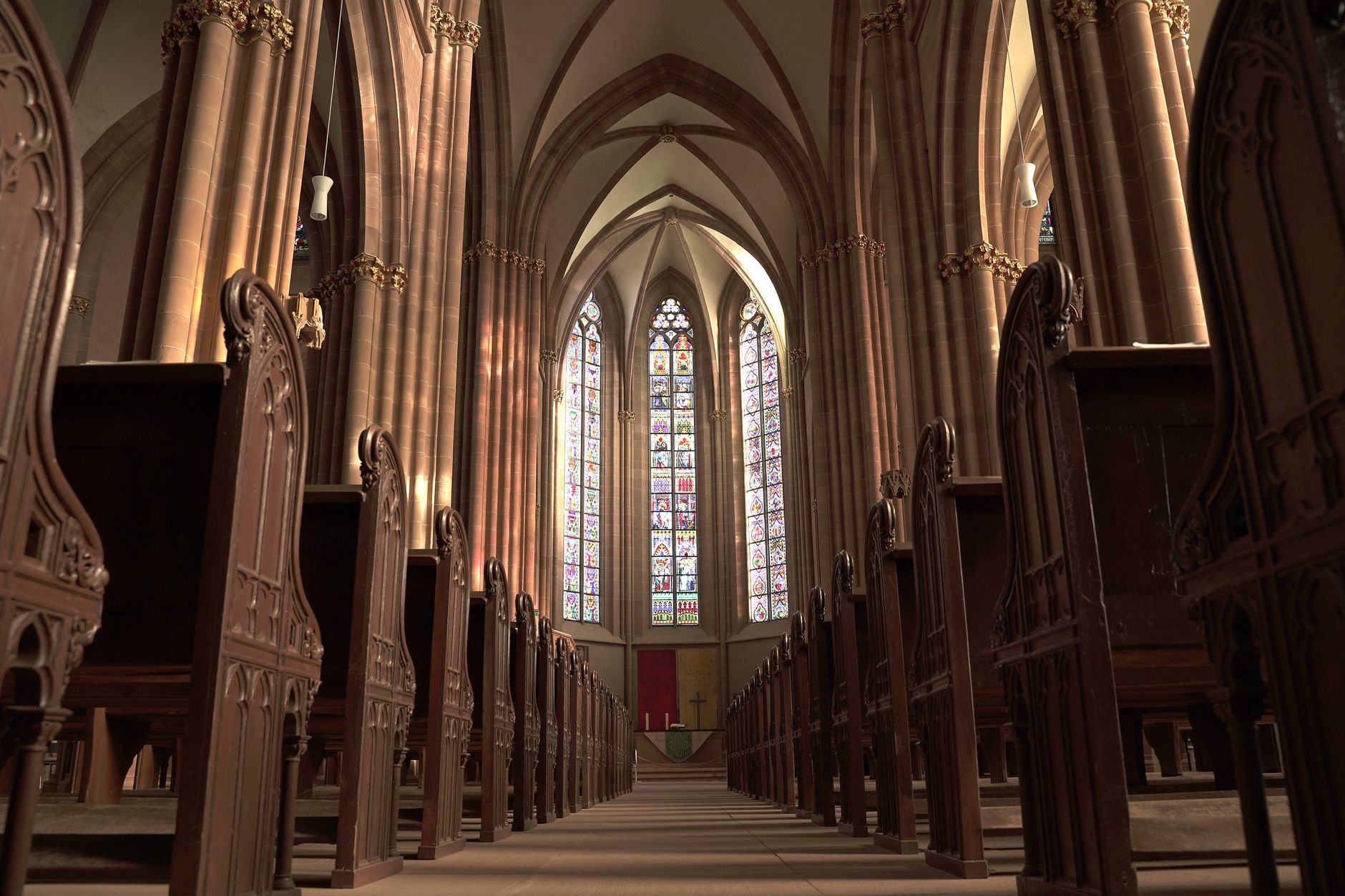
There’s also something it does to attention. I’ve had some of my best conversations in those early minutes — not because the topics were grander, but because the people who arrive early tend to arrive already present. They’re not winded from rushing. They’re not reaching for their phones to fill the awkward gap. They’re just there, like you, and something honest tends to surface in that shared earliness.
I once had a conversation with an older deacon in the ten minutes before a church business meeting — one of those meetings everyone was quietly dreading. We talked about his father, and beekeeping, and what he missed about the way springs used to feel. Not a word of it was relevant to the agenda. All of it mattered.
I don’t think arriving early makes a person more virtuous, or more disciplined, or more spiritual. I want to be careful not to turn a temperamental habit into a sermon. But I do think there’s something in the practice worth sitting with — the small decision to not fill every gap, to not rush into the room at the last possible second, to give yourself a moment of threshold before the thing begins.
What we do with those unclaimed minutes probably says something about us. I’m still working out what mine say about me.