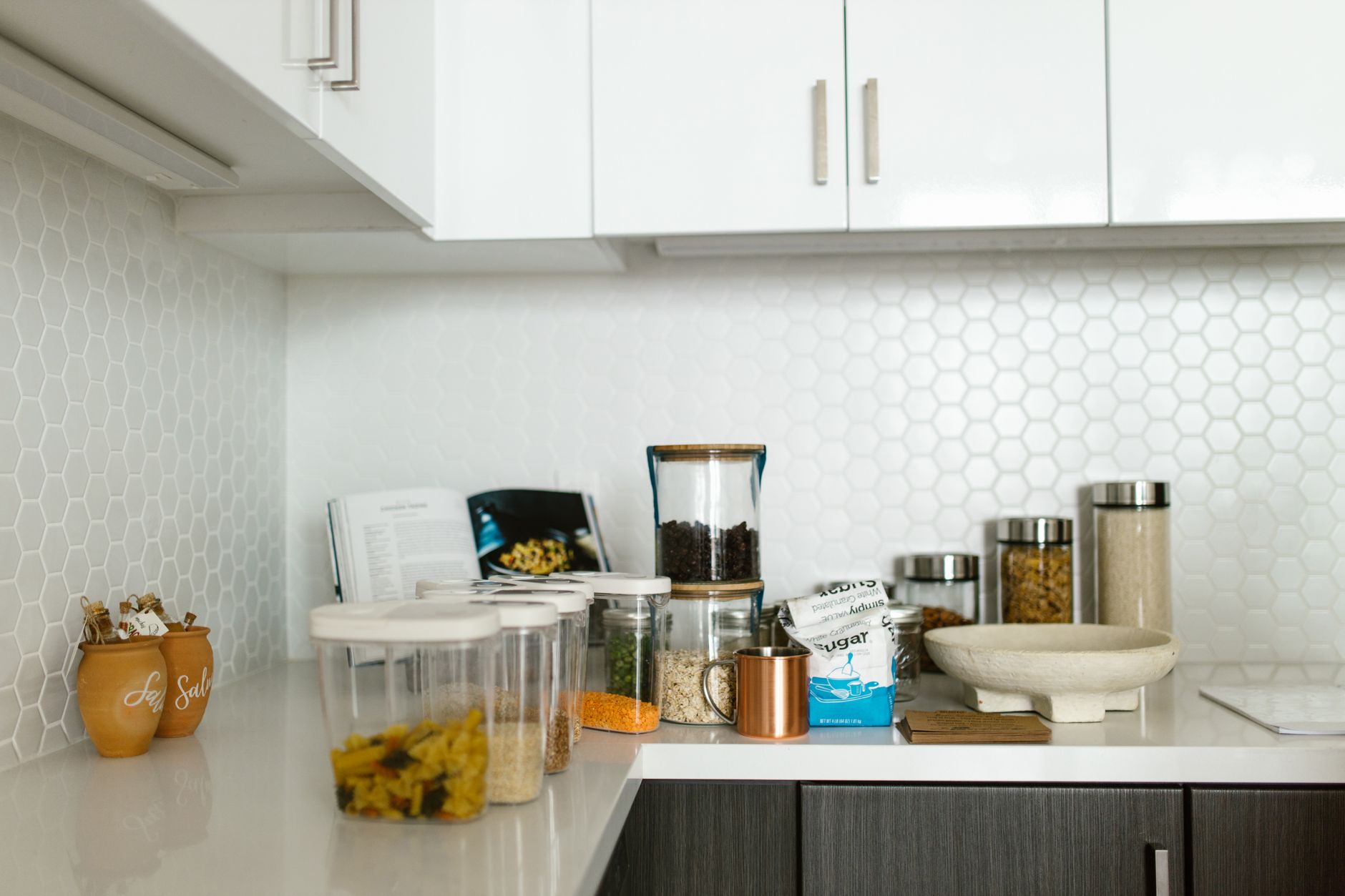
There is a lid in my cabinet that belongs to no container I own. I have lived with this lid for what I estimate to be three years. It is a medium-sized, faintly amber-colored lid with a small crack along one edge that somehow makes me feel it has character. I keep meaning to throw it away. I do not throw it away. We have an understanding, this lid and I.
This is the central mystery of Tupperware: where do the containers go without their lids, and where do the lids go without their containers? I have posed this question to my wife. She looked at me the way she sometimes does — with a specific brand of patient affection that I have come to recognize as the look of someone who married a man who asks these kinds of questions — and then she went back to reading her book. Which I thought was fair.
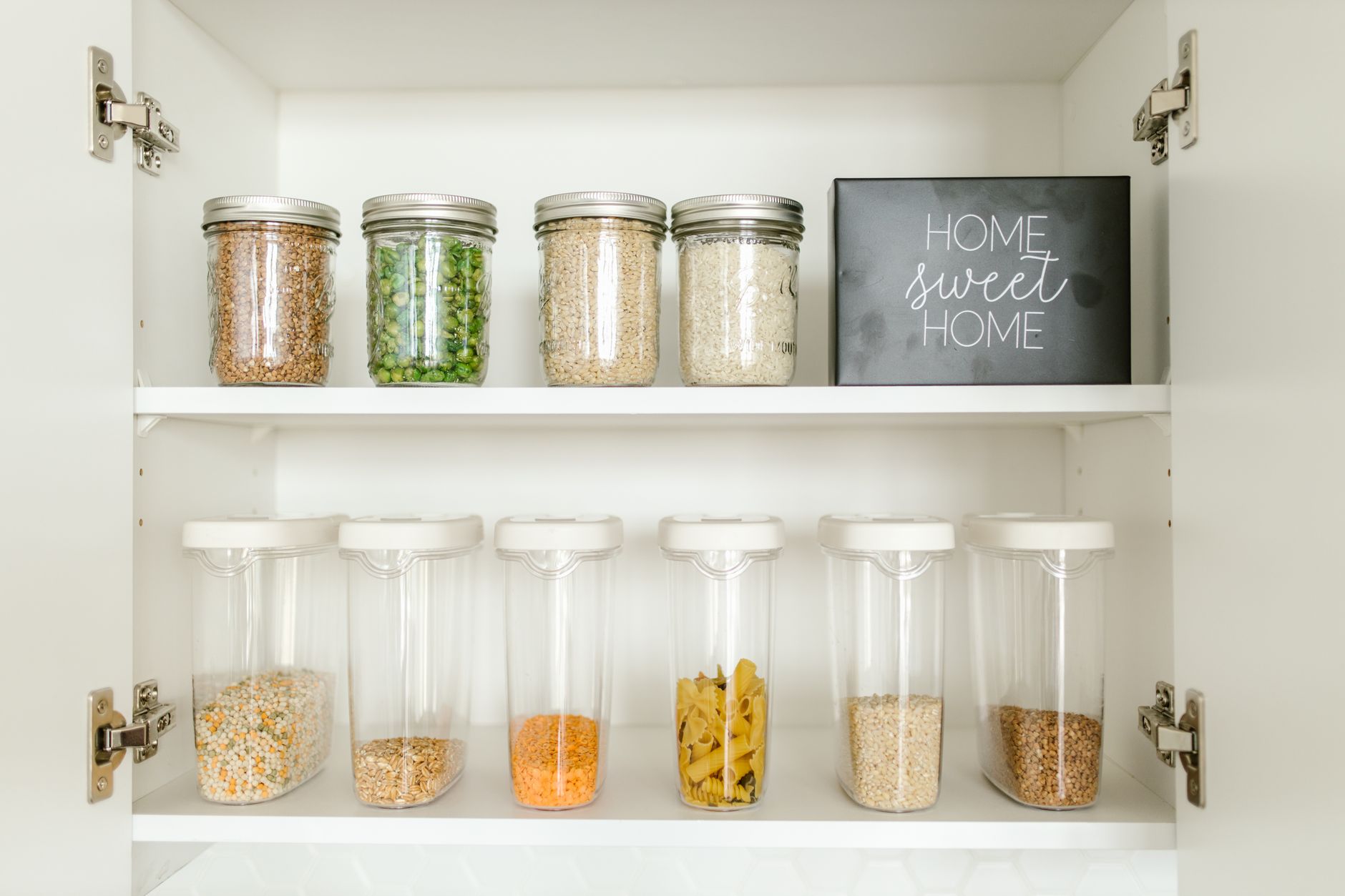
I should clarify that I use “Tupperware” the way people use “Kleenex” — as a catch-all term that the actual Tupperware company would probably find imprecise. My cabinet contains a democracy of plastic: the good stuff, the takeout containers we’ve kept going on four years now, the ones from the dollar store that warp if you look at them funny, and one ancient avocado-green specimen that may have belonged to my mother-in-law. They all coexist in an arrangement that looks like chaos but which I have come to believe has its own internal logic. I just don’t know what it is yet.
The real problem is that I refuse to consolidate. Every few months, I open that cabinet with genuine organizational ambition. I pull everything out. I match lids to bases with the focus of a man defusing something. I throw away the cracked ones. I feel very good about myself for approximately one week.
And then someone reheats soup.
I don’t know what it says about a person that they feel mild affection for a broken lid they’ve never once used. Probably something. I suspect if I thought about it long enough, it would connect to something about hope, or thrift, or the refusal to admit when something is finished.
But maybe it’s just the lid.