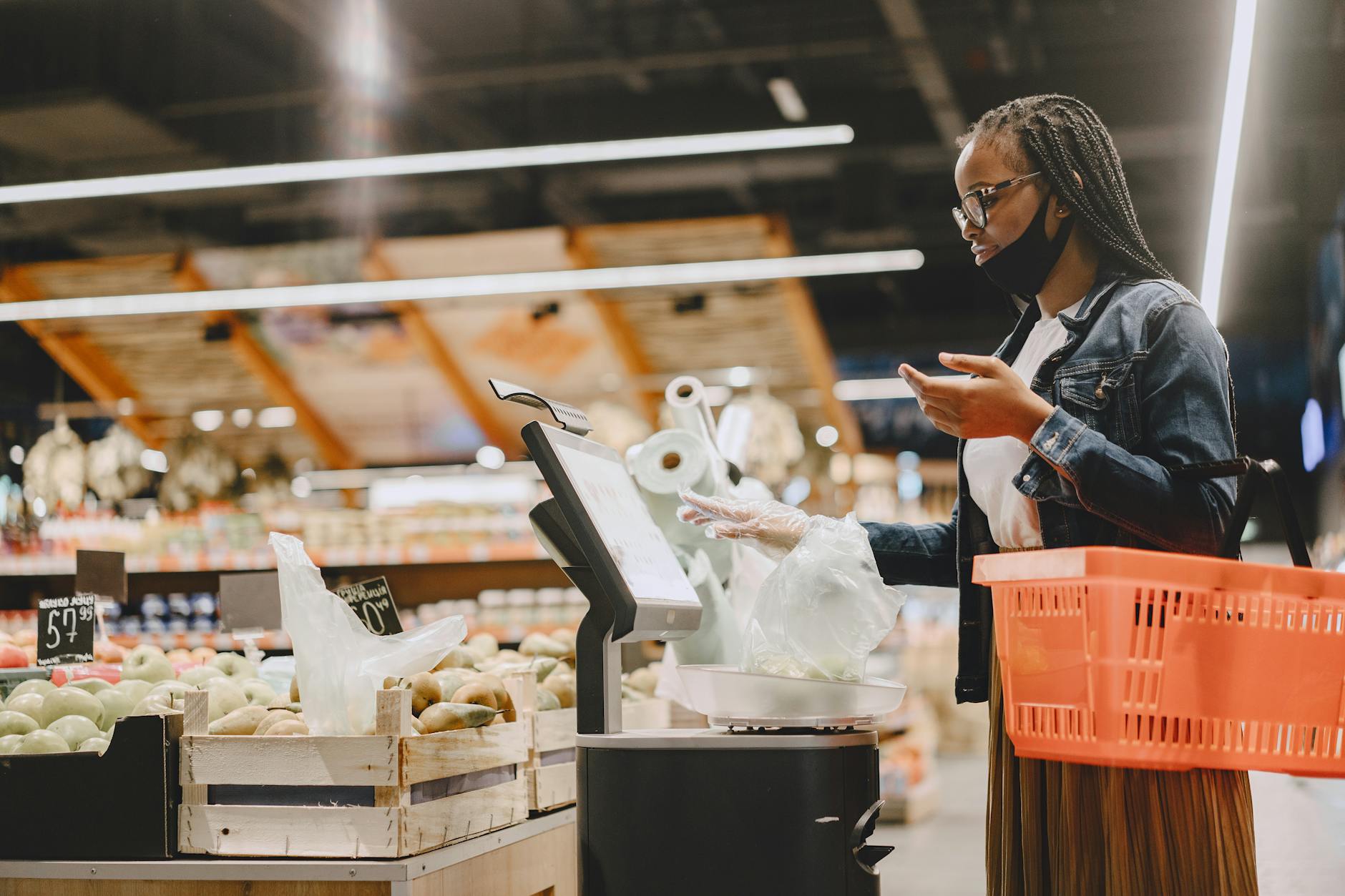
I want to make a modest theological proposal: the self-checkout machine has replaced the confessional as the place where our deepest moral failures are made visible to strangers.
Consider the scenario. You approach with twelve items. The sign says ten. You weigh this. You make a choice. And then, before you can bag even the first avocado, the machine announces, at full volume, that it requires assistance.
You have not called for assistance. You are a competent adult. You have navigated far greater challenges than a flatbed scanner and a weight-sensitive platform. And yet here you are, frozen in the self-checkout lane while a bored teenager in an orange vest sighs his way across the store to wave a card over a sensor, making it clear to everyone in lanes four through seven that you have once again failed at the simplest tasks society asks of you.
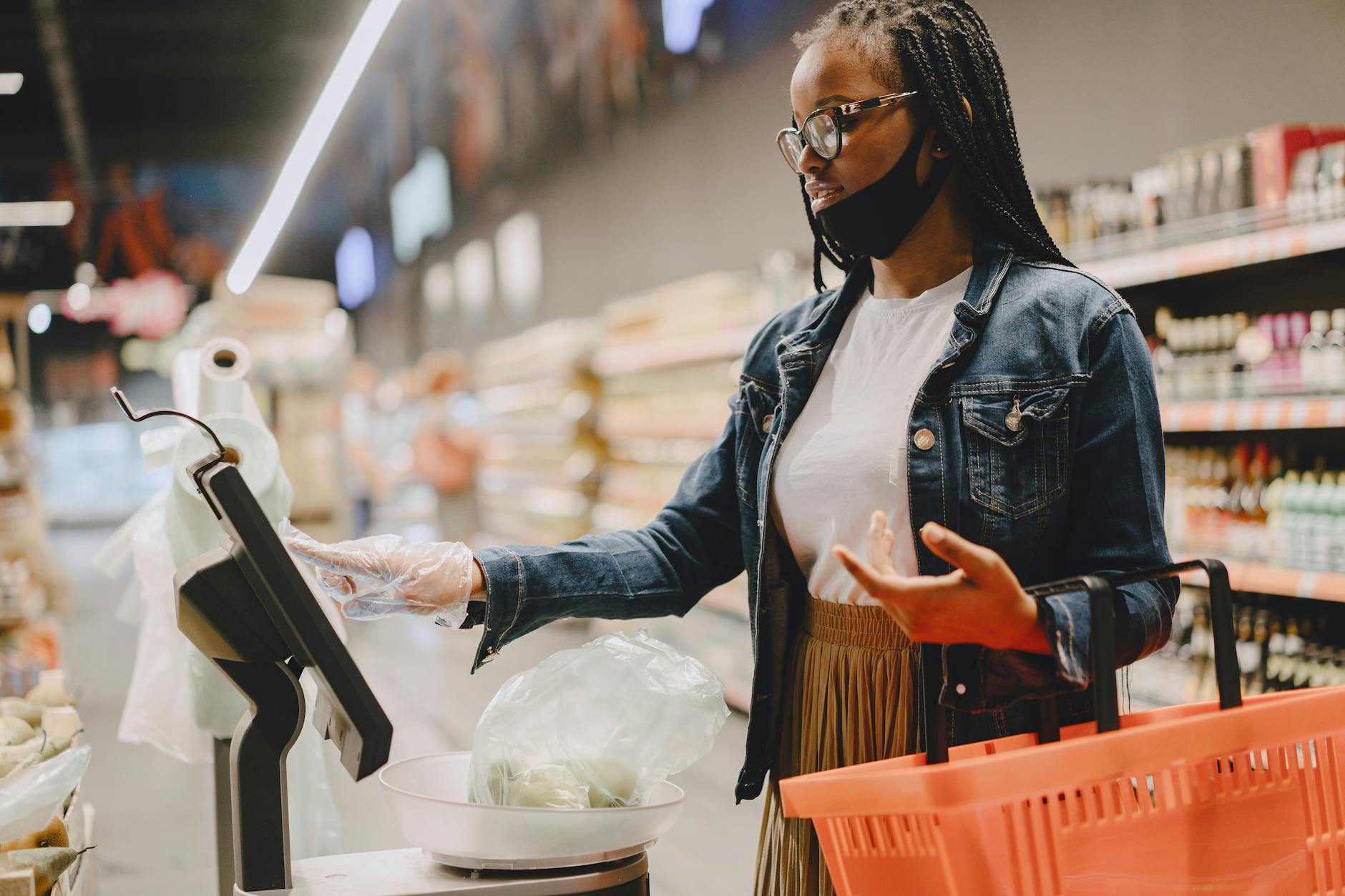
The self-checkout is, I have concluded, a machine designed not for efficiency but for the systematic revelation of character.
How you respond to the unexpected item in the bagging area announcement tells you something important about yourself. Do you immediately comply, lifting the item and placing it again with robotic precision? Do you argue, in low tones, with a machine? Do you look around, as if seeking confirmation from witnesses that this is happening to you, you of all people, a person who has read Crime and Punishment and once successfully assembled an IKEA bookshelf without tears?
I do all of these things, in sequence, and usually in that order.
What strikes me most is the theological dimension of the please wait for assistance moment. It is a public admission of inadequacy. There is no privacy here. The penance is not murmured in a curtained booth but broadcast on an LED display to everyone who brought fewer items and made better choices.
And yet.
There is something almost clarifying about it. We are all, at the self-checkout, revealed as what we are: people trying to get through the line with our dignity intact, frequently failing, and needing more help than we’d like to admit.
If the church had thought of this, it would have been brilliant.
Instead we got the actual confessional, which at least has the courtesy of a curtain.
I’m working through this. I’ll have more to say when I’m no longer banned from the self-checkout at my local Kroger.
(I’m not actually banned. But I maintain eye contact with the sensor now, just in case.)